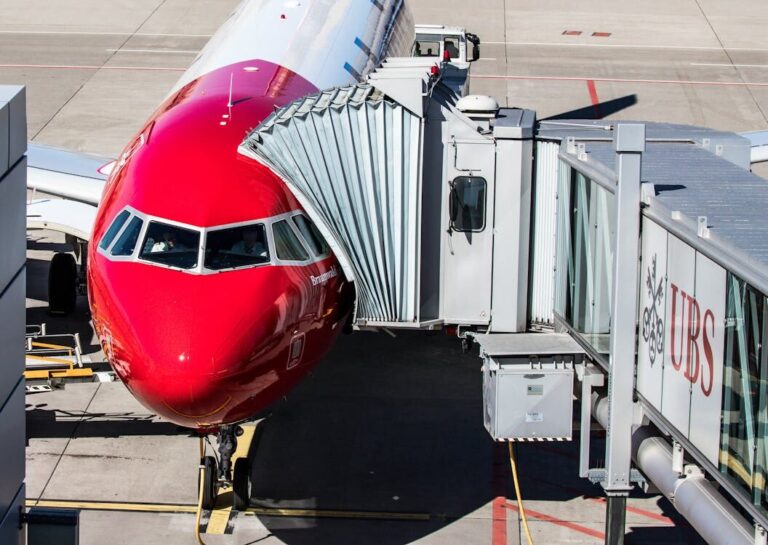
The aviation industry has always moved in cycles, but some sectors weather turbulence better than others. Whether you’re an aspiring mechanic, pilot, or aviation engineer, choosing which aircraft systems to study can shape your long-term success. In recent years, the cargo and widebody passenger markets have proven to be the most resilient and recession-resistant areas of aviation.
Understanding how these markets differ, and how to align your training, can make the difference between chasing opportunities and being ready for them.
Why Cargo Aviation Stays Strong
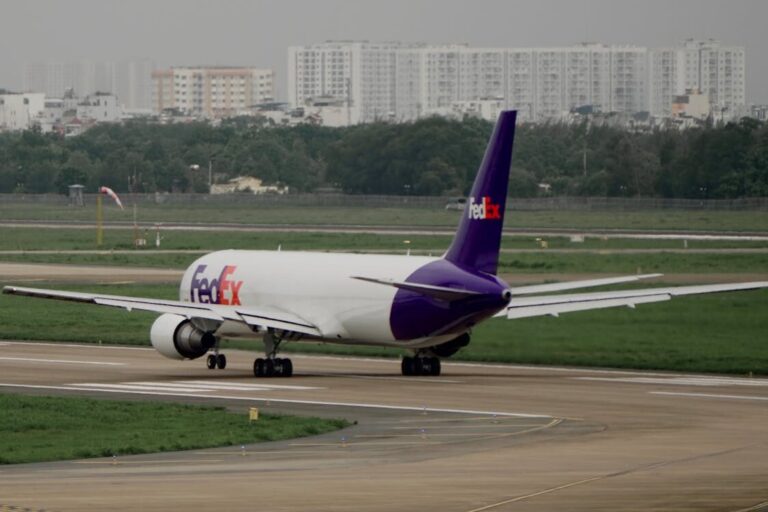
Cargo carriers like FedEx, UPS, and DHL have seen consistent growth even during economic downturns. Unlike passenger airlines, cargo operations don’t depend on tourism or ticket demand; they rely on global trade and e-commerce. The pandemic underscored this stability, with cargo aircraft utilization soaring while passenger fleets sat idle.
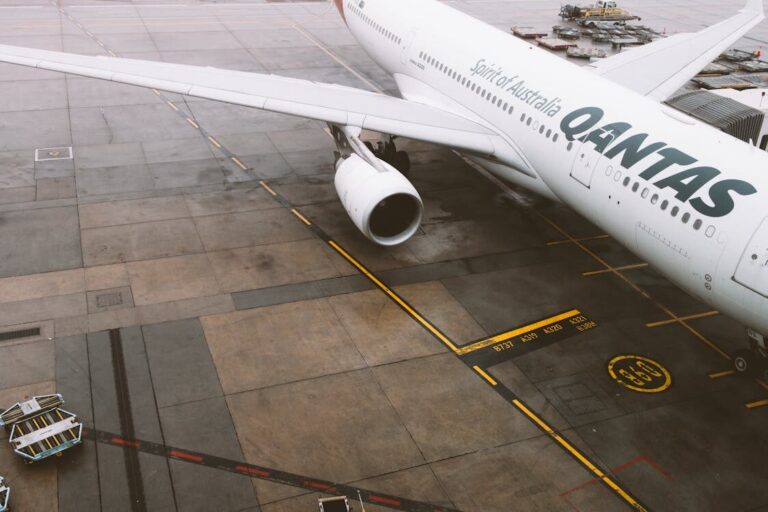
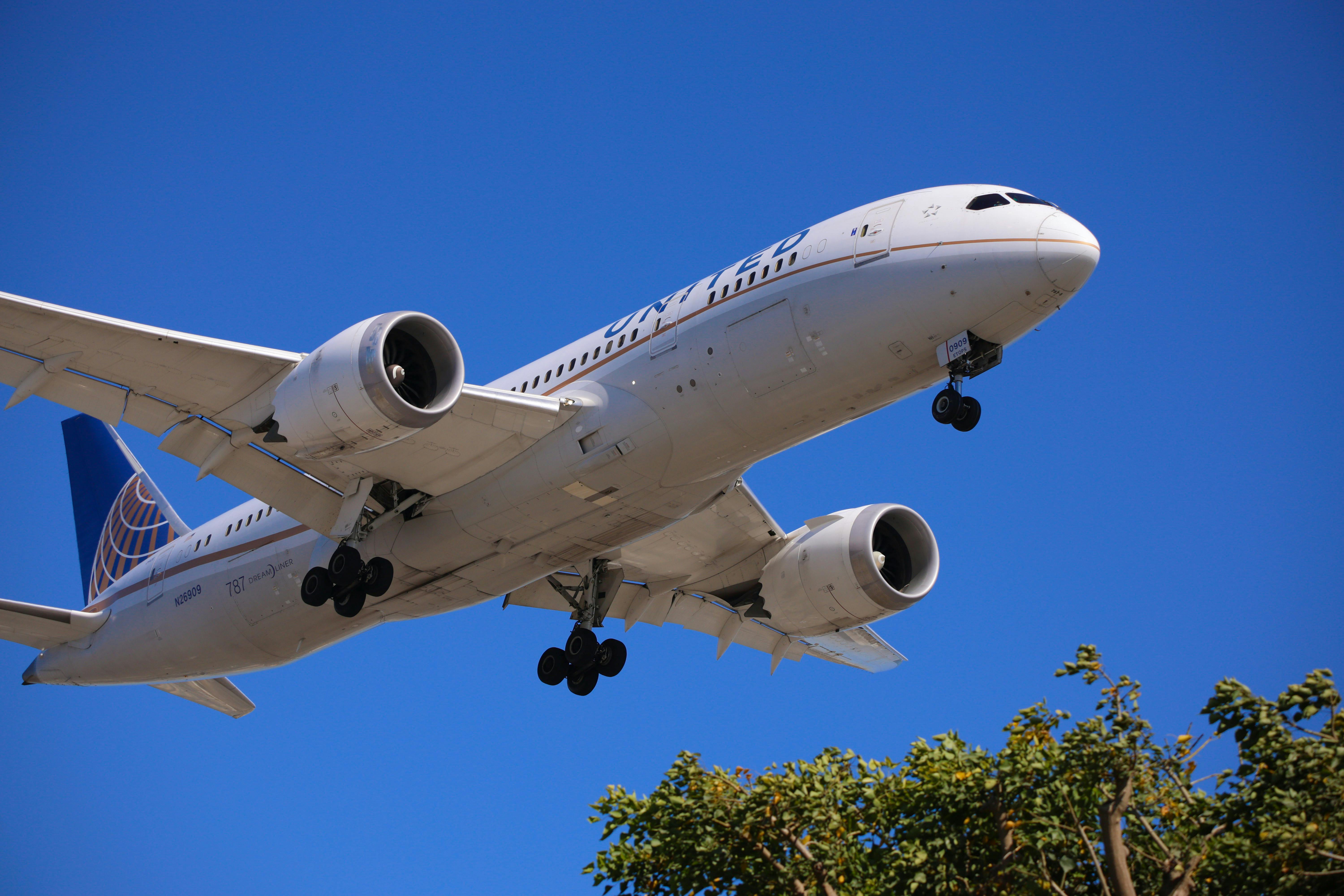
For aviation professionals, this means long-term job stability and cross-market adaptability. Mechanics and technicians trained on widebody aircraft such as the Boeing 767, 777, and Airbus A330 are in high demand because these models dominate cargo conversions and heavy-lift operations.
That’s where the B767 Gen Fam course becomes invaluable. It offers detailed insight into the aircraft’s hydraulics, avionics, and flight systems, knowledge directly transferable to cargo operations worldwide.
Passenger Aviation: Evolution, Not Decline
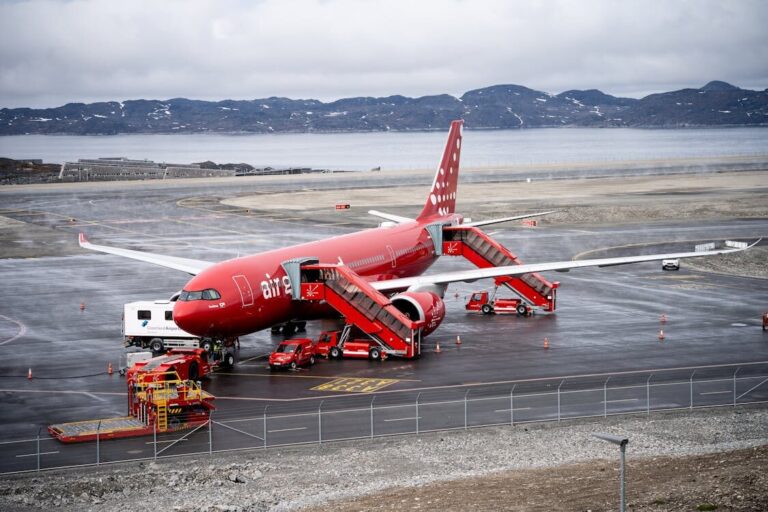
Passenger aviation continues to rebound, with widebody aircraft leading the charge in international routes. Airlines are retiring older models in favor of fuel-efficient aircraft, but the demand for skilled professionals remains constant.
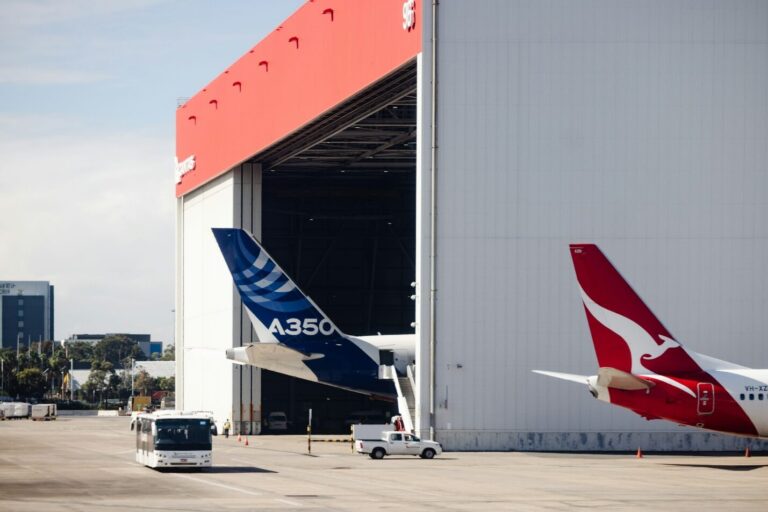
Enrolling in an Airbus A330 or A320 general familiarization course gives you a practical advantage. These aircraft dominate both short-haul and long-haul markets, and understanding their systems can open doors to careers with major airlines, maintenance facilities, and aircraft leasing companies.
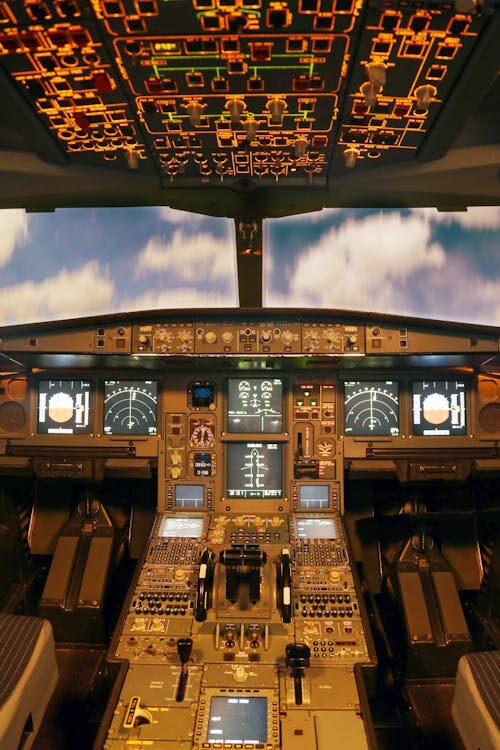
The A330 Gen Fam course, in particular, covers powerplant operations, flight control systems, and electrical architecture, essential for anyone looking to work on widebody aircraft transitioning into cargo or hybrid service.
The Power of Specialized Training
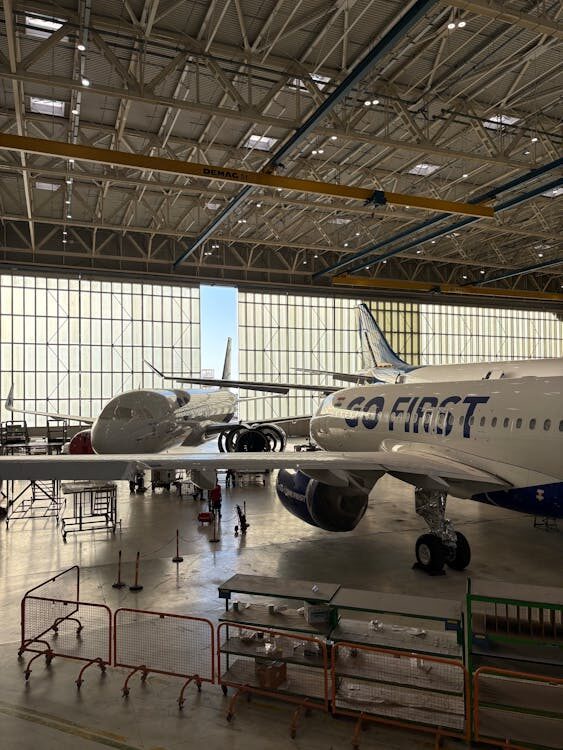
Modern employers value technicians and engineers who bring aircraft-specific knowledge to the table. Completing an aircraft general familiarization course shows initiative and industry focus; it tells hiring managers you understand ATA chapters, operational logic, and safety protocols before even stepping onto the hangar floor.
For those seeking flexibility, online aviation programs like Gen Fams offer a perfect balance between theory and real-world application. These self-paced modules let you study around your schedule, whether you’re preparing for your first aviation certificate or expanding your portfolio with aircraft systems training across multiple fleets.
Strategic Career Planning for Stability
If you’re planning a career that lasts, widebody familiarity is your anchor. The Boeing 767 and Airbus A330 families are not only foundational to global fleets, they’re actively being converted for next-generation cargo operations. By aligning your education with these aircraft, you’re investing in decades of relevance.
Whether you’re pursuing aviation career training to become a licensed A&P mechanic or seeking a technical edge as a pilot, Gen Fams courses help you build practical competence across aircraft generations.
Take the Next Step with Gen Fams
At Gen Fams, every course is designed to build lasting confidence through accessible, affordable online aviation training. Choose from in-depth options like the B767 or Airbus A330 general familiarization course to position yourself at the heart of aviation’s most stable sectors.
Explore the full catalog of aviation online courses and start developing the expertise that employers recognize and respect. Ready to take off? Contact Gen Fams today and begin your journey toward a future that truly flies.