

The aviation industry is evolving at breakneck speed. From electric propulsion to next-gen composites, mechanics, engineers, and pilots are preparing for a future where mastering aircraft systems is no longer optional, it’s essential. If you’re aiming for a long-term career in aviation, it’s time to learn aircraft systems that will define the industry by 2030.
This guide highlights the top 10 skills aviation professionals need for the decade ahead, and shows how foundational training through aircraft general familiarization courses can prepare you for success.
Why Aircraft Systems Training Matters More Than Ever
Aircraft are becoming more efficient, more digital, and more sustainable. This means systems are more complex, but also more interconnected. Whether you’re considering an A&P course, an AMT certification, or a specialized aircraft systems course, the key is to understand how everything ties together.
Traditional classrooms aren’t the only path anymore. Aviation training courses like the B737 or the A320 general familiarization course give you the tools to keep up with industry changes, while fitting into your life and career.
1. Composite Materials & Repair
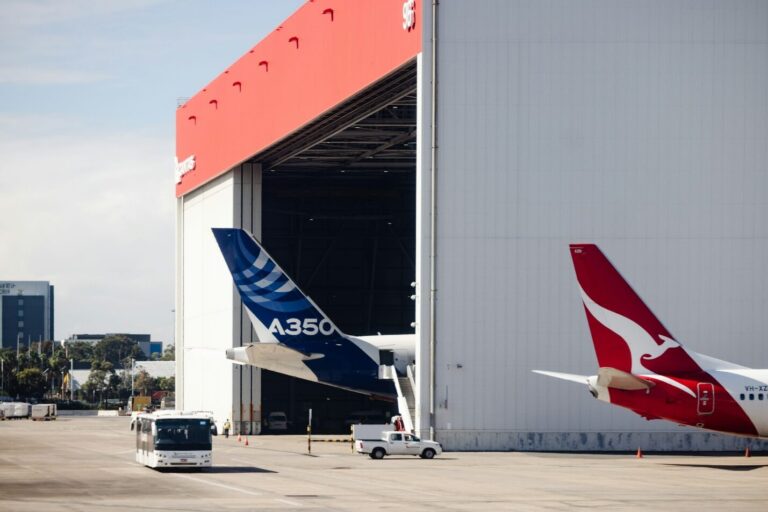
Aircraft like the Boeing 787 Dreamliner and Airbus A350 rely heavily on composite structures. By 2030, nearly all new aircraft will use advanced materials. Mechanics must understand not only inspection but also repair and replacement of composite structures.
Foundational courses such as the B777 general familiarization course introduce structural concepts that prepare you for advanced composite training down the line. Without this baseline, transitioning into cutting-edge materials will be difficult.
2. Electric Propulsion Systems
The industry is moving toward hybrid and fully electric propulsion systems. By 2030, regional airlines may fly electric short-haul routes. To stay relevant, technicians must learn about aircraft electrical systems at a deeper level.
Courses like the A330 general familiarization course or aircraft systems training introduce you to high-voltage systems, power distribution, and safety considerations, skills that will be crucial for future propulsion technologies.
3. Avionics Integration & Digital Cockpits
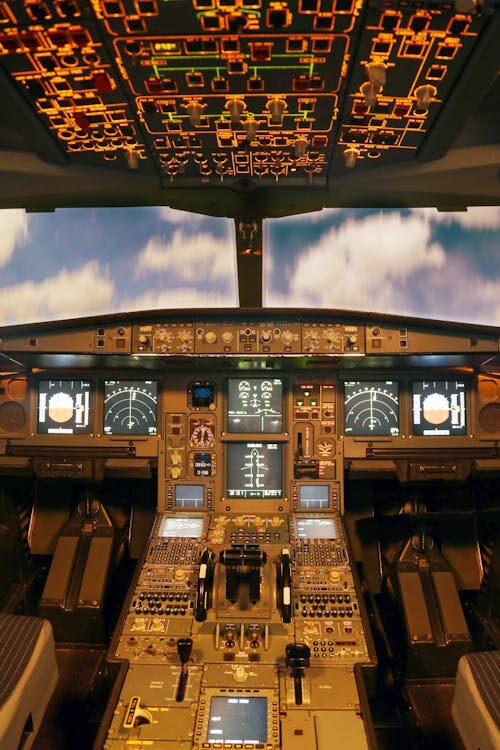
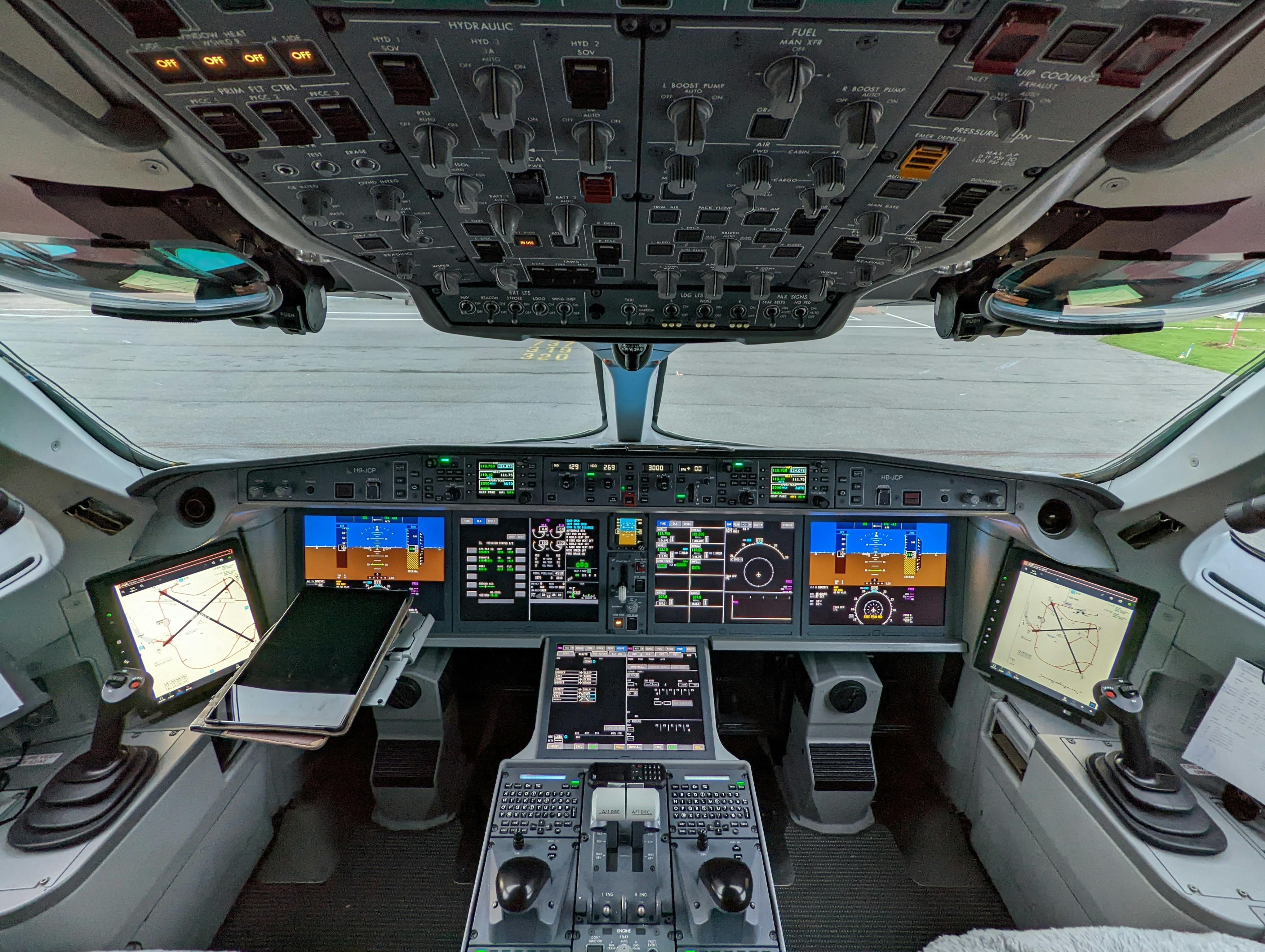
Modern aircraft rely on integrated avionics suites. The B747 and A320 Gen Fam course cover glass cockpits, flight management systems, and digital interfaces.
Understanding these systems now will ensure you’re comfortable as cockpits grow more connected, integrating AI-assisted diagnostics, predictive maintenance, and even semi-autonomous functions.
4. Predictive Maintenance & Data Analytics
By 2030, mechanics won’t just fix what’s broken, they’ll prevent failures before they occur. Data-driven diagnostics will dominate maintenance operations, and familiarity with system interdependencies is crucial.
This is where commercial aircraft familiarization courses shine. They don’t just teach you what each system does, they teach you how systems interact. That’s the foundation of predictive maintenance.
5. Advanced Hydraulics & Fly-by-Wire
Hydraulic power remains at the heart of modern aviation. Even as electrical systems advance, fly-by-wire controls and hydraulic redundancy won’t disappear. The B767 and the Airbus aircraft familiarization modules cover these systems in depth, ensuring mechanics and pilots know how to troubleshoot effectively.
6. Environmental Control & Sustainable Aviation
Sustainability isn’t just a buzzword. Aviation professionals must understand environmental control systems, fuel efficiency strategies, and alternative fuels. A basic aviation course or an aircraft systems training program can provide this foundation.
By 2030, mechanics who can optimize environmental systems will be in demand as airlines aim for net-zero operations.
7. Widebody Cargo Aircraft Operations
Cargo operations are booming. The B777 and A330 Gen Fam course are perfect entry points for mechanics targeting cargo careers. These aircraft dominate freight worldwide, from Europe to Asia to the U.S., and familiarity with their systems makes you more hireable.
8. Legacy Aircraft Maintenance
Not every fleet will be brand-new by 2030. Airlines and cargo operators still rely on older workhorses like the Boeing 717 and 757. That’s why B717 and B757 Gen Fam course remain valuable. These certifications keep you versatile across fleets still flying worldwide.
9. Aircraft Type Certification Knowledge
For mechanics aiming at Part 147 pathways, understanding certification is key. Training such as aircraft type certification courses or airplane type certification familiarizes you with the approval process. This aligns well with FAA Part 147 aviation maintenance training, a cornerstone of career growth for technicians aiming at A&P licensing.
10. Cross-Platform Flexibility: Airbus & Boeing
Don’t box yourself into one manufacturer. The strongest mechanics and engineers will train across both Airbus and Boeing. Start with an Airbus A320 general familiarization course, then expand into the B737 course or even the B747 course.
Being fluent in both platforms makes you a more versatile, and valuable, hire in the global market.
The Role of Gen Fam Training in Aviation’s Future
Gen Fam courses are more than check-the-box learning. They’re structured to cover every ATA chapter, combining proven science with hands-on insight. Whether you’re starting with online aviation courses or aiming for Boeing type rating training in the future, Gen Fams ensures you have the strong foundation employers expect.
And because these are aviation professional courses designed for mechanics, engineers, and pilots, they stay relevant across careers, whether you’re working in Las Vegas on the B717 or in Cincinnati on the A330 cargo fleet.
Building the Future: How to Stay Competitive in the Aviation Job Market
The aviation industry is one of the most competitive technical fields in the world. Mechanics, engineers, and pilots who want to secure long-term opportunities must be proactive about sharpening their skills. By 2030, the difference between those who thrive and those who struggle will come down to preparation. The good news is that online training, certification, and system-specific knowledge are now more accessible than ever.
Why Ongoing Training Is Non-Negotiable
Aircraft technology does not stand still. With every new model, whether a widebody cargo aircraft or a narrowbody passenger jet, comes innovation in avionics, propulsion, hydraulics, and safety systems. Employers expect technicians and pilots to not just keep up, but to be ahead of the curve. That’s where aircraft general familiarization courses play a vital role.
Instead of waiting until you’re faced with a new aircraft in the hangar, you can prepare in advance with targeted modules like the B737 or the A320 general familiarization. These self-paced programs allow you to learn aircraft systems on your own schedule, so you’re ready to step in confidently when the opportunity arrives.
The Shift Toward Online Aviation Training
Not long ago, if you wanted to take an aircraft systems course or pursue aviation professional courses, you had to attend in person, often at significant cost and time away from work. Today, aviation training courses make it possible to study from anywhere in the world.
This flexibility is especially valuable for mechanics balancing a full-time job, or pilots managing irregular schedules. By choosing basic aviation courses as a foundation, you create a steady path toward advanced certifications without disrupting your current commitments.
Courses such as the B747 or the B777 general familiarization course are structured to be digestible, with diagrams, system breakdowns, and real-world examples that stick with you long after you’ve finished the program.
Specialized Training Makes You Stand Out

Employers are flooded with resumes from mechanics and technicians. What makes one candidate stand out over another is specialized knowledge.
If you can walk into an interview and talk confidently about the hydraulic redundancies in the Boeing 767 or the flight deck architecture of the Airbus A320, you’ll instantly position yourself as a stronger candidate. This is why targeted programs like the B767 or the Airbus aircraft familiarization modules are so powerful, they give you system-level fluency that hiring managers respect.
Even older aircraft still hold tremendous career value. The B717 and the B757 Gen Fam course online are excellent options for mechanics who want to be versatile. These aircraft continue to serve regional and cargo operators, and knowing how they function keeps you employable across diverse fleets.
The Role of Certification in Career Growth
While knowledge is critical, certification remains the gold standard for proving your skills. Employers want to see documented evidence that you’ve completed rigorous training.
Programs like the AMT certification course, A&P license course, and FAA Part 147 aviation maintenance training not only teach you how to maintain and repair systems but also provide the credentials that open doors to better positions.
Pairing these with airplane type certification training ensures that you’re aligned with regulatory standards while building a resume that demonstrates both breadth and depth of expertise.
Cross-Manufacturer Versatility: Boeing and Airbus
The most successful professionals aren’t just experts in one platform. They train across both Airbus and Boeing. That’s why combining the Airbus A320 general familiarization course with the B737 Gen Fam course is a smart strategy.
This cross-training approach means you can adapt to different airlines, regions, and opportunities. One week you may be working with a European Airbus operator, and the next with a U.S.-based Boeing cargo carrier. Having both in your toolkit makes you adaptable, which employers value highly.
And as the industry continues to introduce updates, whether it’s a new Airbus variant or a Boeing upgrade, you’ll already have the framework needed to learn quickly.
The Future of Crash Course Training
Not every professional has time to dive into long-form programs right away. That’s where targeted “crash course” style learning fits in. Options like a Boeing crash course or an airbus crash course allow you to cover essentials quickly, before moving into deeper modules.
For beginners, resources like the Boeing systems crash course for beginners or airplane systems training are ideal starting points. They give you a high-level overview that builds confidence and momentum, preparing you for more advanced aviation certification later on.
Adapting to Industry Trends
Cargo expansion, sustainability, digitalization, these are not just industry buzzwords. They’re reshaping what mechanics, pilots, and engineers need to know.
By 2030, demand for professionals who understand the environmental systems in the A330, the massive engines of the 777, and the cockpit automation of the 737 MAX will be stronger than ever. Completing programs like the A330 or B777 gen fam course online puts you ahead of that curve.
In the same way, introductory online aviation courses prepare newcomers for a career shift, while advanced Boeing type rating training supports pilots who want to expand into new platforms.
A Career That Doesn’t Stand Still
At its core, aviation is about movement, and that applies to careers, too. The professionals who succeed are the ones who never stop learning. Adding aviation career training to your path isn’t just about ticking a box; it’s about demonstrating adaptability, curiosity, and commitment to excellence.
Whether you’re pursuing an A&P mechanic training course or building toward part 147 training for certification, the time you invest now pays off in future opportunities.
Gen Fam training helps make this process attainable. By layering foundational gen fam courses with advanced aircraft systems training, you build confidence and credibility. That combination keeps your career future-proof, no matter how the industry changes.
Take Your Next Step with Gen Fams
The aviation industry isn’t slowing down, and neither should you. By 2030, mechanics, pilots, and engineers who invested early in mastering systems will be the ones leading the hangar.
At Gen Fams, we make it simple to learn aircraft systems through self-paced, online courses. With modules covering Boeing and Airbus models, every certificate earned puts you one step closer to your career goals.
Explore our aviation courses to see the wide range of training available, or learn more about Gen Fams and how we empower future aviation professionals. Ready to get started? Contact us today and take flight toward your aviation career.