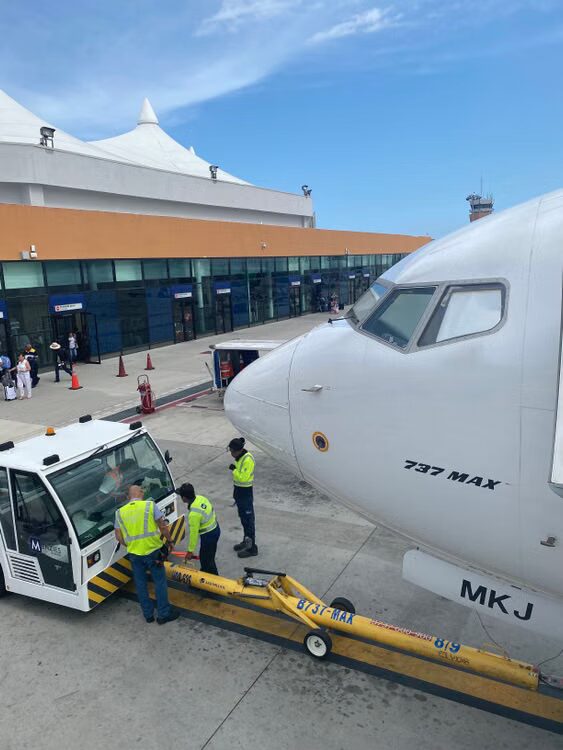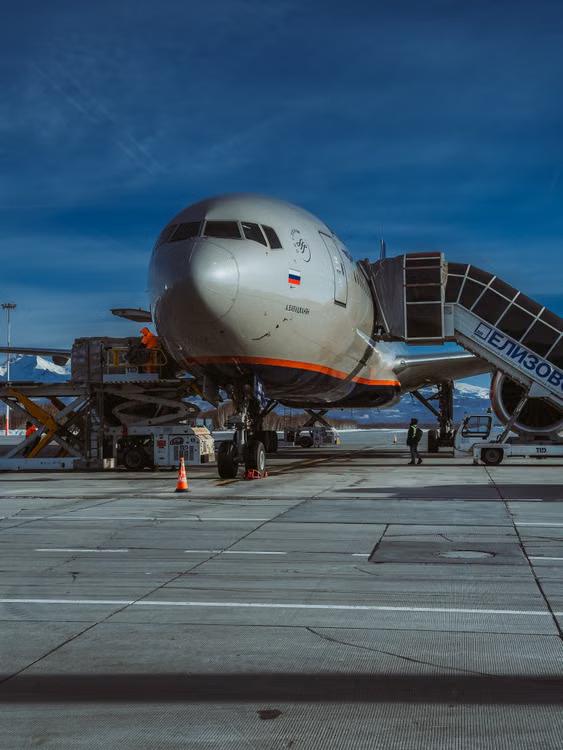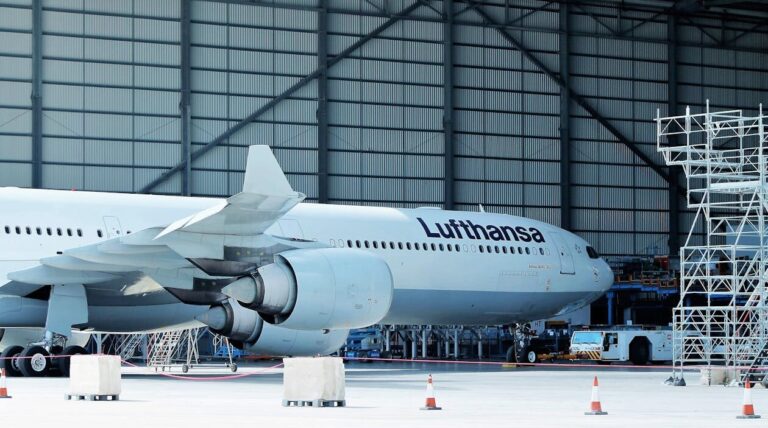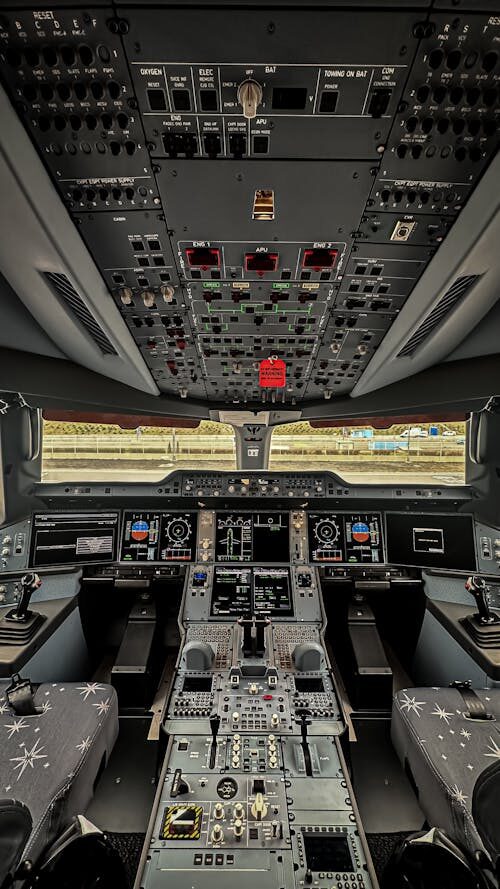

Choosing the right general familiarization course depends on your career goals, the aircraft you want to work with, and the knowledge you need to build. Whether you’re preparing for a maintenance role, pursuing a flight career, or expanding your technical expertise, the right training creates a stronger foundation for long-term success in commercial aviation.
Commercial aviation offers countless career opportunities, but each path demands a solid understanding of aircraft systems, terminology, and operational principles. Gen Fams develops layered courses that combine theoretical concepts with practical system knowledge, making them suitable for beginners while still providing valuable insights for experienced professionals. Our courses are designed to improve confidence, strengthen technical understanding, and help learners become more competitive in the aviation industry.
What Is an Aircraft General Familiarization Course?
An aircraft general familiarization course provides an overview of an aircraft’s major systems, construction, operation, and maintenance concepts without focusing on hands-on maintenance certification. These courses help mechanics, pilots, engineers, and aviation enthusiasts understand how commercial aircraft function while developing the technical vocabulary used throughout the industry.
Unlike highly specialized maintenance training, familiarization courses build broad knowledge across aircraft systems, including hydraulics, electrical systems, avionics, flight controls, landing gear, propulsion, and ATA chapters commonly referenced in aircraft maintenance documentation.
Matching Your Career Goals to the Right Aircraft
Different aircraft families dominate different sectors of commercial aviation. Selecting the right course allows you to align your learning with your desired career path.
For Aircraft Maintenance Technicians
Maintenance professionals benefit from developing familiarity with aircraft commonly used by passenger and cargo operators. Widebody aircraft such as the B747, B767, and B777 remain essential workhorses across international airlines and global freight carriers. Understanding these aircraft can improve communication during interviews and provide greater confidence when transitioning into maintenance environments.
Those interested in legacy fleets may also benefit from learning older but still operational aircraft like the B717, while mechanics seeking opportunities with major domestic airlines often focus on the B737 family.
For Pilots
Pilots gain valuable operational understanding by studying aircraft systems before type-specific training. Learning the systems architecture, cockpit logic, and major aircraft components helps aspiring pilots build stronger technical awareness throughout their careers.
Future airline pilots interested in Boeing fleets can benefit from studying aircraft ranging from the B737 to the iconic B747 and long-haul B777, while those pursuing Airbus operators may prefer the A320 family before progressing to larger aircraft.
For Engineers and Technical Specialists
Engineers, avionics professionals, and technical support personnel often require broad systems knowledge across multiple aircraft types. Understanding system interaction, electrical architecture, hydraulics, and operational design improves communication with maintenance teams and supports more effective troubleshooting.
Gen Fams courses provide practical insights drawn from proven aeronautical knowledge while covering numerous ATA chapters referenced throughout aircraft maintenance manuals.
The Three Stage Aviation Knowledge Framework
One way to approach career development is through what can be called the Three Stage Aviation Knowledge Framework.
First: Build the Foundation. Begin with an introductory aircraft familiarization course that develops core terminology, system awareness, and confidence across major aircraft components.
Second: Match Learning to Industry Demand. Choose aircraft families commonly operated within your target market. Narrowbody fleets dominate many domestic airlines, while widebody aircraft continue supporting international passenger operations and expanding cargo networks.
Third: Continue Expanding Your Portfolio. Aviation careers increasingly reward versatility. Building familiarity with multiple Boeing and Airbus aircraft demonstrates initiative while preparing professionals for changing fleet requirements and future opportunities.
This structured approach allows learners to continue adding knowledge throughout their careers while remaining adaptable as airline fleets evolve.
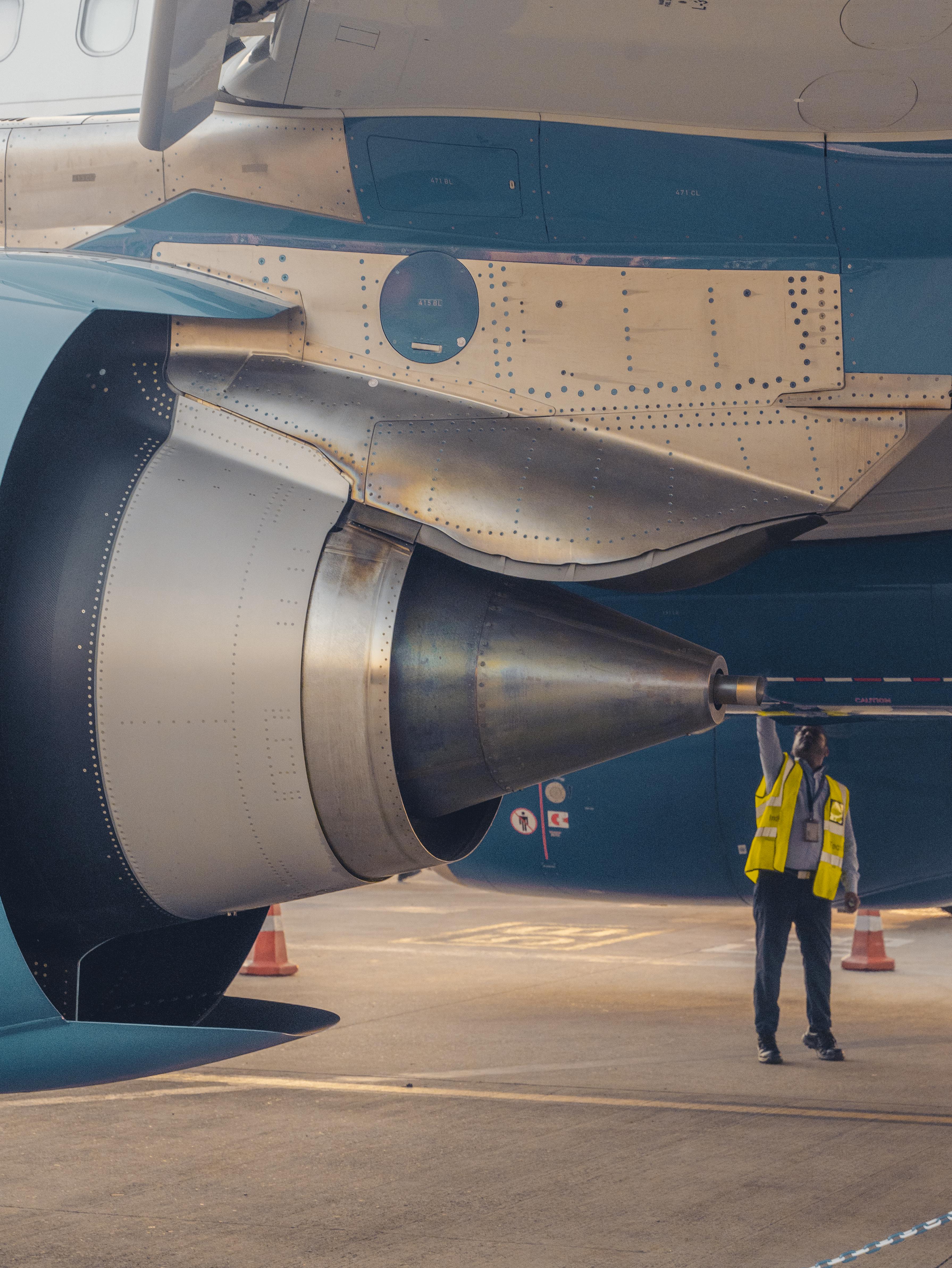
Why Flexible Learning Matters
Today’s aviation professionals often balance work, family, and continuing education. Self-paced learning makes professional development significantly more accessible while allowing learners to revisit material whenever needed.
Gen Fams courses are designed with accessibility in mind, incorporating visual learning materials and structured lessons that accommodate different learning styles. The courses progress from beginner concepts into intermediate and advanced material, making them suitable for individuals entering aviation as well as experienced professionals seeking broader aircraft knowledge.
Because the content focuses on enduring aircraft systems and proven engineering principles, learners gain knowledge that remains valuable throughout changing industry conditions.
Which aircraft familiarization course should I take first?
The best course is the one that aligns with your intended career path. Maintenance technicians should prioritize aircraft commonly operated by their target employers, while pilots, engineers, and aviation enthusiasts should choose aircraft that match their long-term professional interests before expanding into additional aircraft families.
Take the Next Step Toward Your Aviation Career
Every aviation career begins with knowledge. Whether your goal is becoming an aircraft mechanic, pilot, engineer, or expanding your understanding of commercial aircraft systems, Gen Fams provides practical, affordable learning designed to build lasting confidence.
Explore the full range of courses on the course catalog, discover the company’s mission on the About Us page, or contact the Gen Fams team to find the course that best supports your aviation career goals.