
The aviation industry is under more pressure than ever to reduce emissions and transition toward sustainability. Airlines are pledging net-zero targets, manufacturers are investing in sustainable aviation fuel (SAF), and engineers are rethinking aircraft design. But one thing is often overlooked: the vital role of system-level knowledge. For today’s mechanics, technicians, and engineers, aircraft systems training is not just about keeping planes safe—it’s about driving the industry’s shift toward greener skies.
Why Systems Knowledge Matters for Sustainability
To make aviation more sustainable, changes go far beyond engines and fuel tanks. Cabins themselves are becoming lighter and more energy-efficient. Mechanics with aircraft systems training understand how electrical, pneumatic, hydraulic, and environmental control systems interact. This knowledge is essential when adapting to innovations like lightweight composites, improved insulation, and cabin layouts that optimize efficiency without compromising passenger comfort.
For example, mechanics who complete an aircraft systems course are better prepared to maintain systems that integrate with new, eco-friendly cabin technologies. From LED lighting that cuts power usage to advanced filtration that reduces drag on environmental systems, sustainability requires professionals who can bridge traditional training with new developments.
Sustainable Aviation Fuel and the Role of Training
The shift toward sustainable aviation fuel (SAF) highlights another reason why systems expertise is essential. While pilots see the performance in the cockpit, it’s mechanics and technicians who ensure engines and fuel systems are optimized for SAF compatibility.
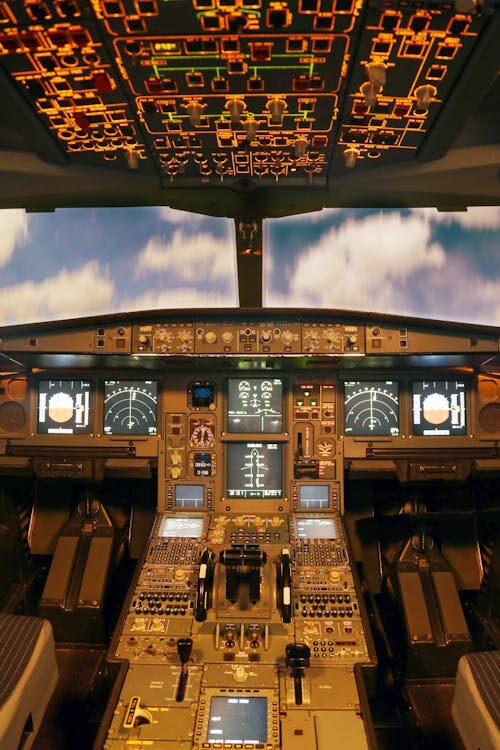
Courses like the A320 or B777 general familiarization course don’t just cover engines in theory—they explain how subsystems interact, how modifications may affect fuel efficiency, and how mechanics can prepare for changes in operations as airlines transition to sustainable fuel. The future of green aviation hinges on the people who know these systems inside and out.
Lightweight Cabins, Heavyweight Knowledge
Cabins contribute more to emissions than many realize. Every kilogram saved reduces fuel burn over time. Innovations in seating, galley equipment, and insulation are transforming cabins into carbon-neutral spaces. But these upgrades are only effective if technicians know how to integrate them with existing electrical and structural systems.
That’s where professional aviation courses like those offered by GEN FAMS make a difference. By learning how multiple systems connect, mechanics can confidently manage upgrades, troubleshoot issues, and keep sustainable technologies working at peak performance.
Preparing the Workforce for the Green Transition
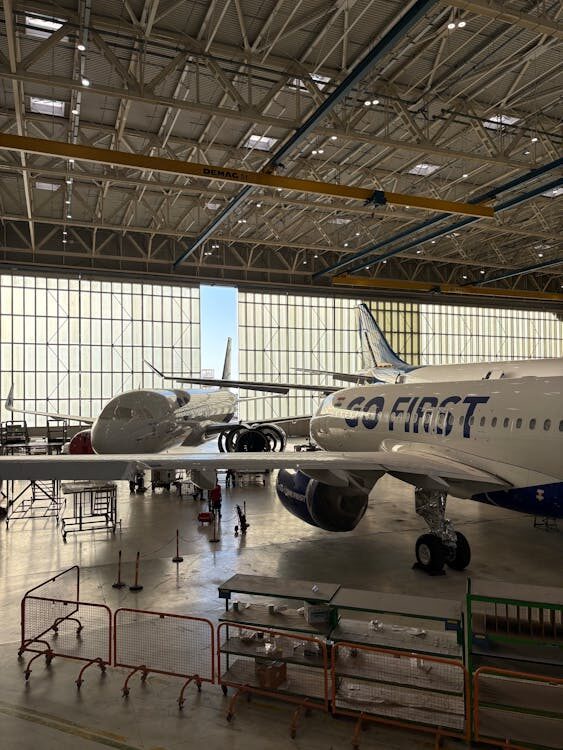
For aspiring aviation professionals, training is no longer just about compliance—it’s about being future-ready. A general familiarization course gives students foundational knowledge to understand how sustainability initiatives interact with traditional aircraft systems. Whether it’s working on a B747 general familiarization course or diving into the specifics of a commercial aircraft familiarization course, students gain the versatility to adapt to a rapidly changing industry.
The mechanics of tomorrow will not just turn wrenches; they’ll play an active role in shaping aviation’s environmental footprint. With aircraft systems training, professionals can position themselves as leaders in this transformation, making them more valuable in an industry where sustainability is the new standard.
Take Flight Toward a Sustainable Future
At GEN FAMS, we believe knowledge is the engine of progress. Our courses are designed to help mechanics, pilots, and aviation enthusiasts master aircraft systems while preparing for tomorrow’s sustainability challenges. Every program includes in-depth modules, real-world insights, and serial-numbered certificates that boost your career.
If you’re ready to build a career that supports both aviation and the environment, explore our training today. From Airbus to Boeing, our familiarization courses give you the confidence to contact us and take the first step toward a future where the skies are cleaner—and your opportunities soar.