Commercial aviation is entering one of its most demanding decades. Passenger demand continues to recover, global cargo operations remain strong, fleets are expanding, and experienced maintenance professionals are retiring faster than new technicians can replace them. The result is an industry-wide skills shortage that is reshaping hiring priorities across airlines, maintenance organizations, and aircraft operators.
For aspiring aircraft mechanics, pilots, engineers, and aviation enthusiasts, technical knowledge has become a competitive advantage long before the first day on the job. Employers increasingly value candidates who understand aircraft systems, terminology, maintenance documentation, and operational concepts before entering formal type-specific training.
This is where aircraft general familiarization education has become significantly more valuable. Rather than waiting until employment begins, learners can develop practical understanding of commercial aircraft systems, ATA chapters, avionics, electrical systems, hydraulics, pneumatics, and aircraft architecture through structured learning. In 2026, familiarity is no longer simply beneficial. It is becoming an expectation.
What Is an Aircraft General Familiarization Course?
An aircraft general familiarization course provides an overview of a commercial aircraft’s systems, components, and operational design. It introduces learners to how major aircraft systems interact while building the technical vocabulary used throughout the aviation industry.
Unlike full maintenance type training, familiarization courses focus on understanding rather than certification to perform maintenance. They build confidence, improve technical communication, and create an excellent foundation for future professional development.
For mechanics beginning their careers, pilots seeking deeper technical knowledge, engineers entering aviation, and enthusiasts wanting professional-level understanding, these courses provide an accessible starting point.
Why Is the Aviation Industry Facing Such a Large Skills Gap?
Several factors have combined to create today’s technician shortage. First, thousands of experienced aviation maintenance professionals are reaching retirement age. Their departure represents decades of practical knowledge that cannot be replaced overnight.
Second, global aircraft fleets continue expanding. Airlines are introducing new aircraft while keeping many proven platforms operating for years to meet passenger and cargo demand. Third, maintenance requirements continue regardless of economic cycles. Every commercial aircraft requires scheduled inspections, component replacements, troubleshooting, documentation, and regulatory compliance.
Finally, attracting new talent into aviation maintenance has become increasingly difficult. Many prospective professionals remain unaware of the career opportunities available or enter the workforce without sufficient technical preparation. The combination of these trends has created unprecedented demand for individuals who already possess strong foundational aircraft knowledge.
Fleet Growth Means More Than New Aircraft
Modern aviation is often associated with new aircraft entering service, but much of the industry’s workload comes from maintaining existing fleets.
Aircraft including the Boeing 717, 737, 747, 757, 767, 777 and Airbus A318, A319, A320, A321 and A330 continue serving passenger and cargo operators throughout the world. Every aircraft requires technicians capable of understanding complex systems, interpreting technical manuals, and communicating effectively with maintenance teams.
Older aircraft also remain essential in cargo operations, regional services, charter operations, and specialized fleets. Their continued operation creates long-term demand for professionals familiar with these platforms. Because many airlines operate mixed fleets, understanding multiple aircraft families becomes increasingly valuable during career progression.
Why Employers Value Familiarization Before Hiring
Technical aptitude is becoming one of the strongest differentiators during recruitment. Employers understand that every new employee requires onboarding. However, candidates who already understand aircraft terminology, system architecture, ATA chapters, and maintenance concepts typically adapt faster to workplace training.
This preparation demonstrates initiative. It also shows genuine interest in aviation beyond simply obtaining employment. Candidates who can discuss electrical systems, fuel systems, hydraulic architecture, flight controls, environmental control systems, and avionics during interviews often leave stronger impressions than applicants with no technical background.
Employers are not necessarily seeking experts at entry level. They are seeking individuals who demonstrate readiness to learn.
The Gen Fams Learning Approach
Gen Fams was created to bridge the gap between curiosity and professional confidence. Its courses are designed for beginners while progressively introducing intermediate and advanced concepts. Rather than overwhelming learners with excessive theory, the curriculum emphasizes practical understanding supported by proven aeronautical knowledge and real aircraft systems.
Students explore nearly every ATA chapter found within aircraft maintenance manuals, providing exposure to the same technical structure used throughout commercial aviation.
The learning experience combines illustrations, structured explanations, practical insights, and assessment to help learners develop genuine familiarity with aircraft systems. This layered approach makes the courses suitable for aspiring professionals while remaining valuable for experienced personnel expanding into additional aircraft types.
The Three Pillars of Career Ready Aviation Knowledge
The most successful aviation professionals typically build their careers on three interconnected foundations. Together, these create a framework that prepares learners for long-term industry success.
First Pillar: System Familiarity
Understanding how aircraft systems interact creates context for every future learning opportunity. Hydraulic systems influence flight controls. Electrical systems power avionics. Pneumatic systems support numerous operational functions. Recognizing these relationships accelerates future technical development.
Second Pillar: Technical Communication
Modern maintenance depends on accurate communication. Professionals must understand ATA references, maintenance terminology, documentation standards, and component identification. Familiarity with industry language improves collaboration from the first day in the workplace.
Third Pillar: Continuous Learning
Commercial aviation evolves continuously. New aircraft enter service while established fleets remain operational for decades. Professionals who develop strong learning habits through structured familiarization are better prepared to adapt throughout their careers.
Together, these three pillars create professionals who are prepared not only for today’s aviation industry but also for tomorrow’s technological developments.
Learning Multiple Aircraft Families Expands Career Opportunities
Many aviation professionals begin with one aircraft type before expanding their expertise. Learning both Boeing and Airbus aircraft families introduces different engineering philosophies while broadening technical understanding. For example, professionals interested in narrow body operations may begin with the B737 before expanding into Airbus platforms. Those pursuing cargo or international operations often develop familiarity with widebody aircraft including the B777 or A330. This progression allows professionals to pursue opportunities across airlines, cargo operators, maintenance organizations, and international aviation markets. Each additional aircraft family increases flexibility throughout an aviation career.
Practical Knowledge Builds Professional Confidence
Confidence comes from understanding. When learners recognize system names, component locations, operational logic, and maintenance terminology, they become more comfortable participating in technical discussions.
This confidence extends beyond interviews. It supports classroom learning, workplace communication, maintenance training, and ongoing professional development. Rather than beginning from zero, students arrive with foundational knowledge that supports every future learning experience.
Accessibility Creates Opportunity
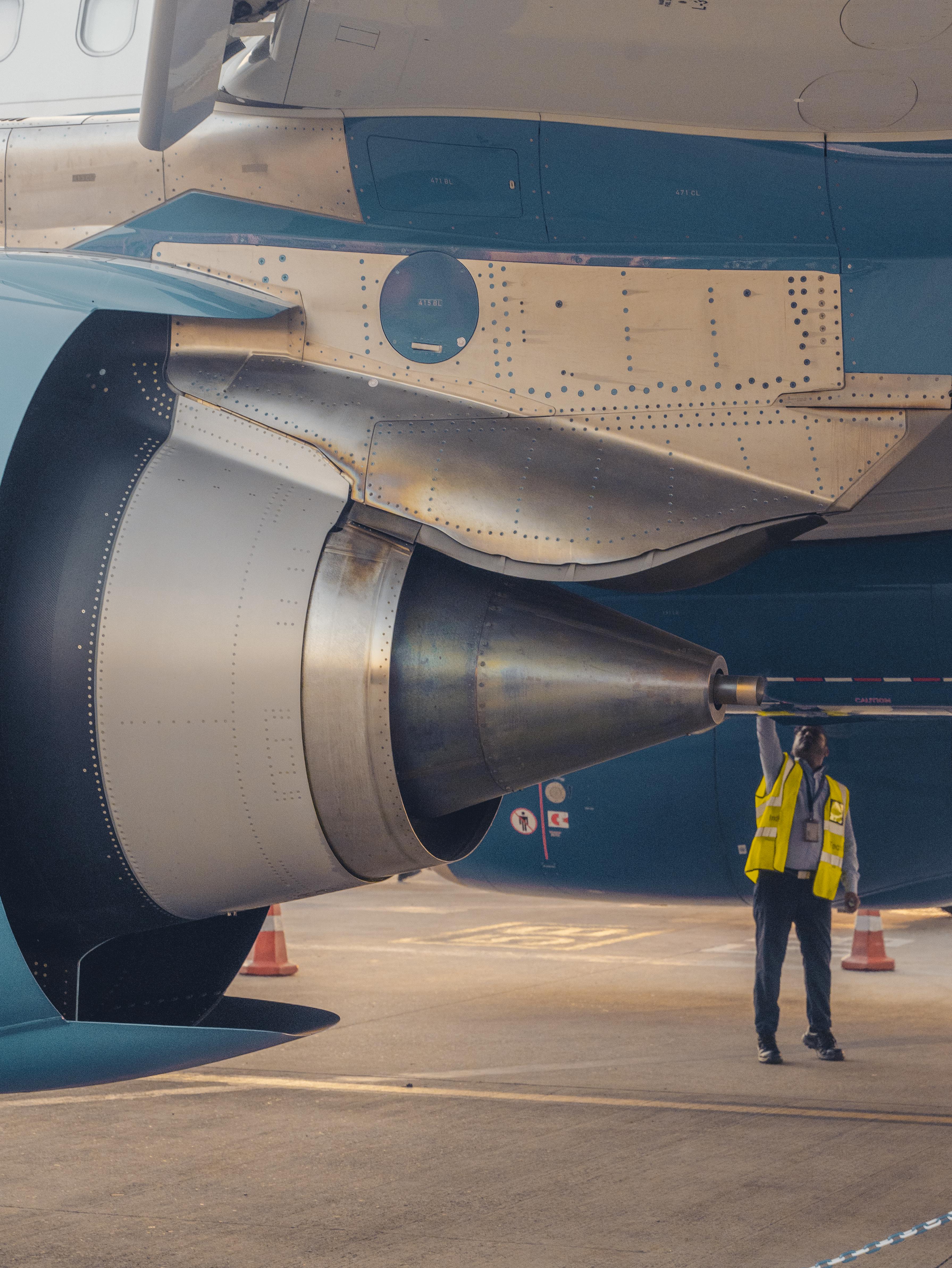
One of aviation education’s greatest challenges has traditionally been accessibility. Flexible online learning removes many barriers that previously limited participation. Students can study around employment, university schedules, family responsibilities, or geographic limitations.
Gen Fams also emphasizes accessibility through optimized course design, helping learners with different learning needs progress through structured content while working toward completion certificates that demonstrate commitment and achievement. Affordable education further expands access to aspiring aviation professionals worldwide.
Why Familiarization Will Remain Relevant Beyond 2026
Although aircraft technology continues advancing, foundational system knowledge remains remarkably consistent. Future aircraft will continue relying on electrical distribution, hydraulic power, avionics integration, environmental systems, structural engineering, propulsion, and maintenance documentation.
Understanding these principles today prepares learners for future aircraft entering commercial service. As additional aircraft such as newer Boeing and Airbus models become more common, foundational familiarization will remain one of the strongest investments aviation professionals can make in their careers.
Why Building Aircraft Familiarity Today Creates Long Term Career Mobility
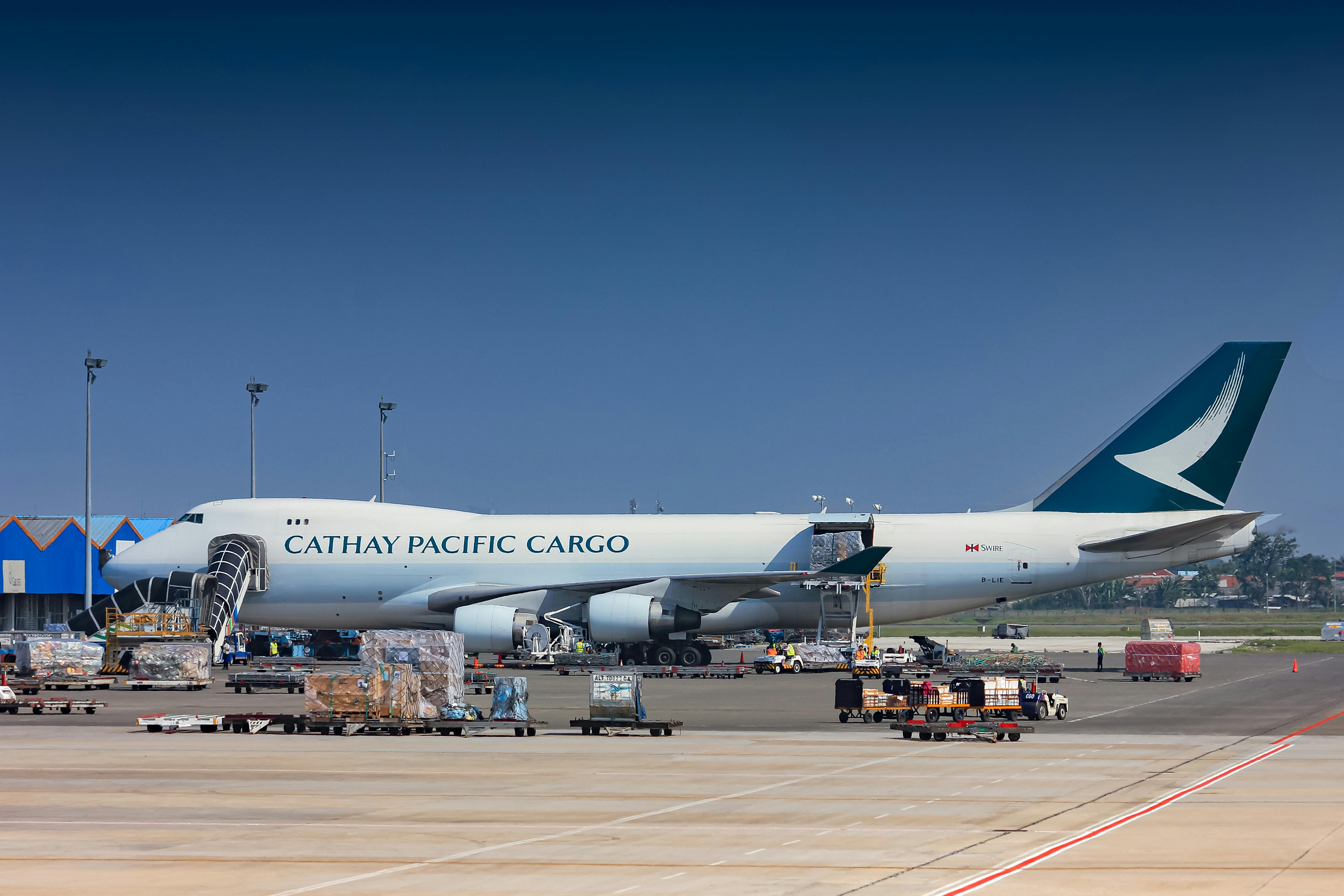
The aviation industry rarely follows a straight path. Many professionals begin their careers maintaining one aircraft type before transitioning into different fleets, operators, or even countries. This is why building broad technical knowledge early has become one of the smartest investments an aspiring aviation professional can make.
A solid foundation in aircraft systems makes it easier to adapt as career opportunities evolve. A mechanic who starts working on narrow body aircraft may later move into cargo operations, while an engineer supporting passenger airlines could transition to maintenance, repair, and overhaul (MRO) organizations or aircraft manufacturers. Pilots also benefit from understanding the systems behind the aircraft they fly, allowing for more informed decision making and stronger communication with maintenance teams.
For employers, adaptable professionals represent a valuable long term investment. Candidates who already understand industry terminology, ATA chapter organization, and the relationships between aircraft systems require less time to become productive. They can participate more confidently in technical discussions, interpret maintenance documentation more effectively, and continue expanding their knowledge as new responsibilities arise.
Learning should also be viewed as an ongoing process rather than a single milestone. The commercial aviation sector constantly introduces new technologies, revised maintenance procedures, and evolving operational practices. Professionals who develop effective learning habits early are better prepared to embrace future aircraft platforms and technological advancements without feeling overwhelmed.
Gen Fams supports this philosophy by providing layered educational content that grows with the learner. Each course introduces practical concepts in a logical sequence, allowing beginners to establish a strong understanding while giving experienced professionals the opportunity to refresh and broaden their knowledge. Because the material focuses on proven aircraft systems and practical aeronautical principles, it remains relevant throughout a professional’s career rather than serving as a short term study resource.
Perhaps most importantly, aircraft familiarity builds confidence. Whether preparing for an interview, starting a new position, pursuing additional certifications, or simply expanding personal knowledge, understanding how commercial aircraft operate helps learners engage with the aviation community using the language and concepts professionals rely on every day. In an industry where continuous learning is expected, investing in foundational knowledge today creates opportunities that extend far beyond a single role, aircraft type, or employer.

The aviation industry’s technician shortage is not a temporary challenge. It reflects long-term workforce changes that will continue influencing recruitment, training, and career development throughout the coming decade. For aspiring professionals, preparation has become one of the strongest competitive advantages available. Building technical familiarity before entering the workforce demonstrates commitment, improves confidence, and creates a stronger foundation for lifelong learning.
Whether your goal is maintaining iconic Boeing aircraft, supporting modern Airbus fleets, pursuing engineering, advancing as a pilot, or simply developing professional-level aviation knowledge, structured familiarization provides an excellent place to begin. Explore our about us page to learn about our mission, browse our courses to find the right aircraft for your career goals, or contact us if you have questions about getting started.
Frequently Asked Questions
What is an aircraft general familiarization course?
An aircraft general familiarization course introduces the systems, components, terminology, and operational design of commercial aircraft, providing foundational knowledge for mechanics, pilots, engineers, and aviation enthusiasts before advanced technical training.
Who should take a general familiarization course?
Anyone interested in commercial aviation can benefit, including aspiring aircraft mechanics, licensed engineers, pilots, aviation students, and enthusiasts seeking a deeper understanding of modern aircraft systems.
Is an online aircraft familiarization course effective?
Yes. A well-structured online course allows learners to study at their own pace while building practical understanding of aircraft systems, maintenance terminology, and industry concepts from anywhere.
Does a familiarization course replace aircraft type training?
No. Familiarization courses build foundational understanding but do not replace formal maintenance type training or regulatory certification required for maintenance authorization.
Why are employers interested in applicants with familiarization knowledge?
Candidates who already understand aircraft systems, technical terminology, and maintenance concepts often require less initial instruction, adapt more quickly, and demonstrate initiative toward professional development.