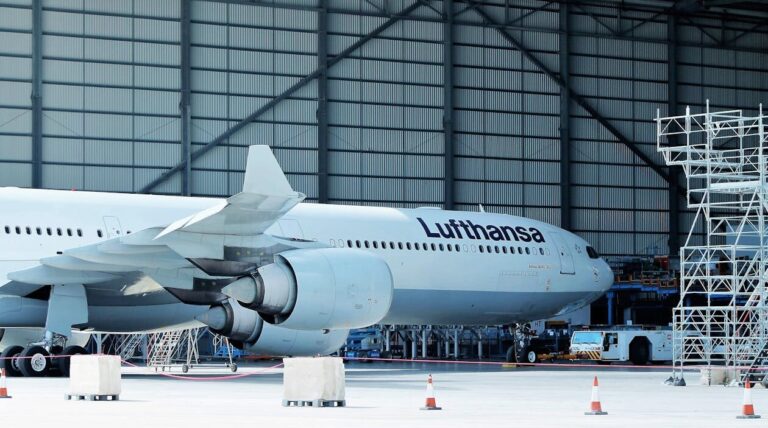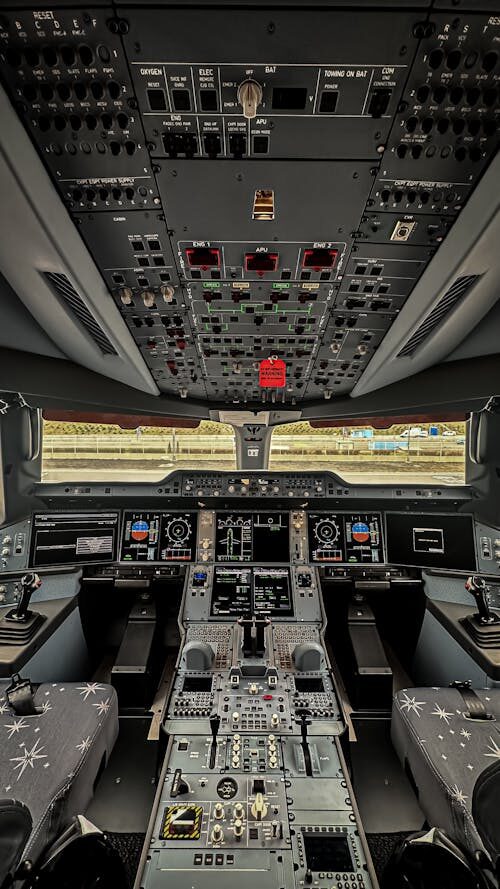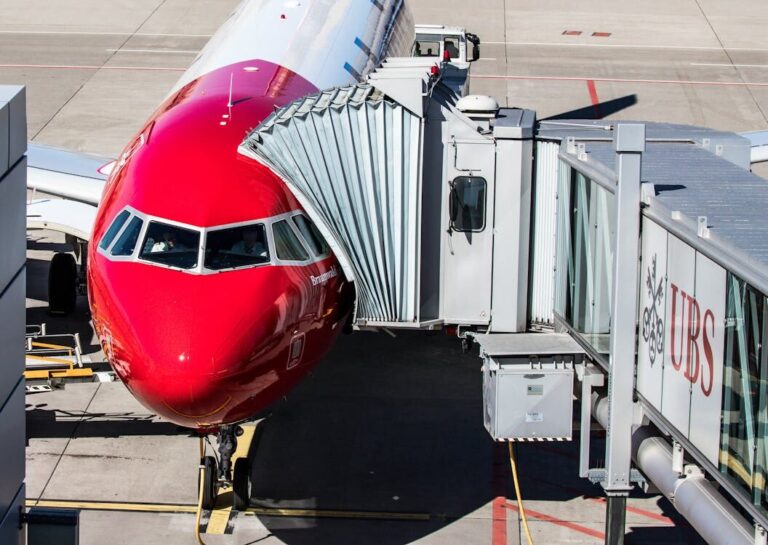


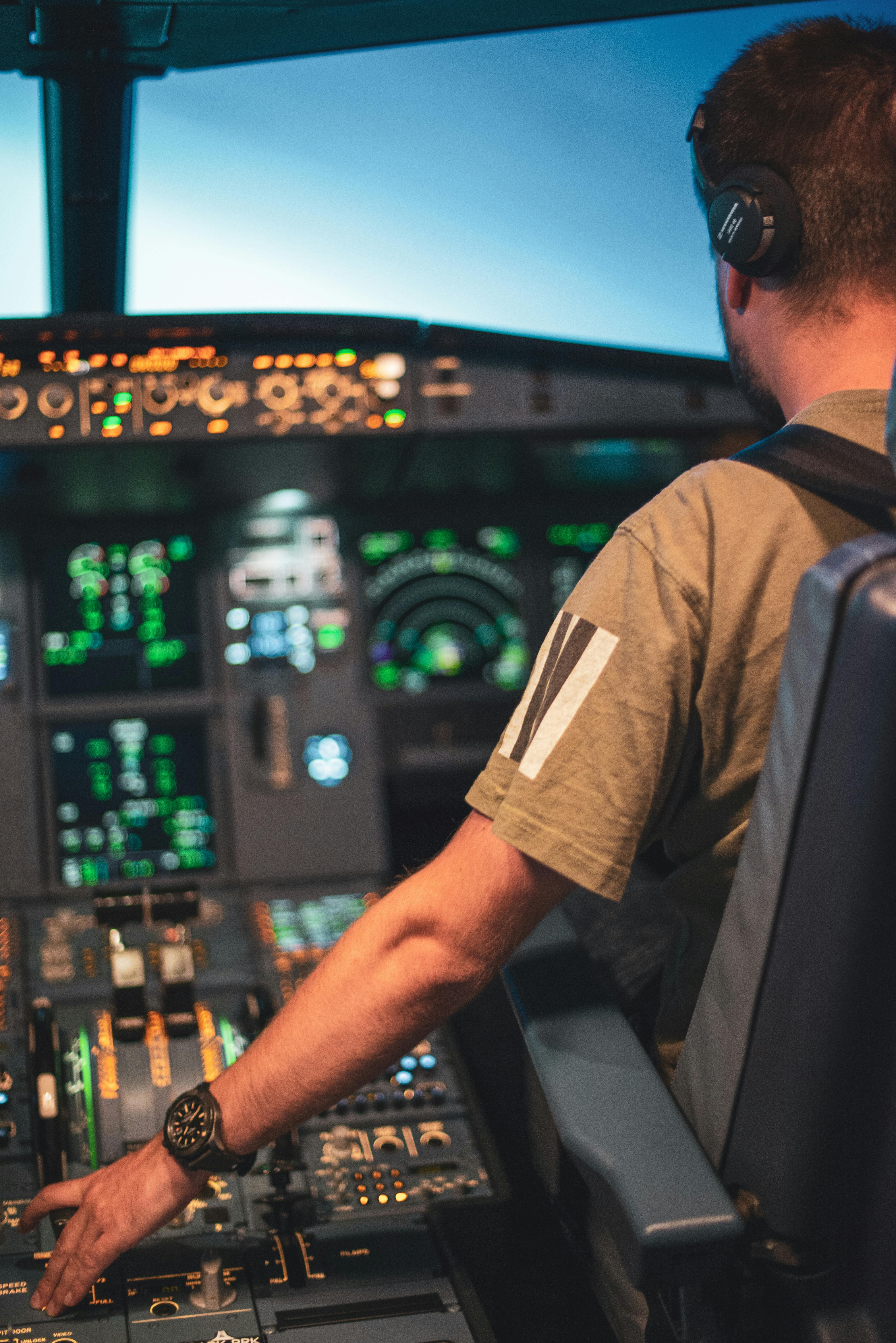


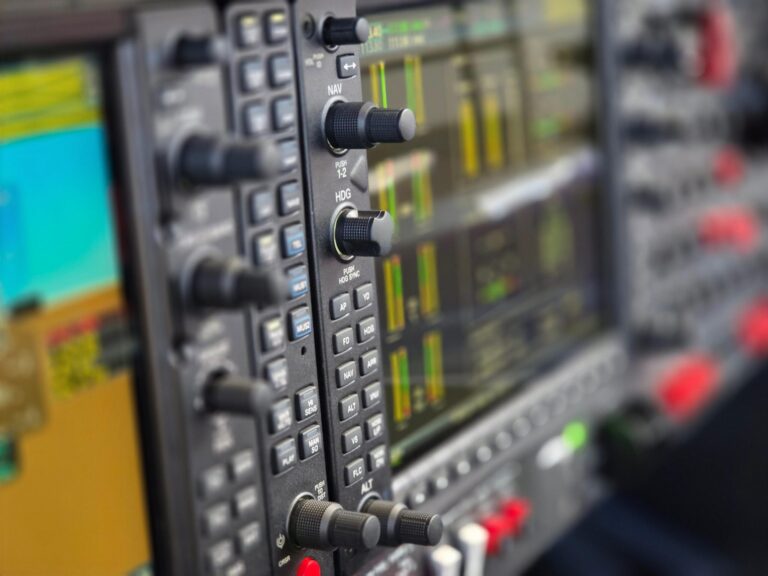
You probably know that the aviation industry is highly competitive and requires constant learning to stay relevant. If you are a mechanic, pilot, or engineer, you need a solid grasp of how specific airplanes work. Taking aircraft general familiarization courses is one of the most effective ways to build this base of knowledge without spending years in a classroom. These programs give you a high-level look at various airplane systems, including their locations, operations, and maintenance requirements.
Recent data from the U.S. Bureau of Labor Statistics (BLS) indicates that employment for aircraft technicians is projected to grow 5% through 2034, which is faster than the average for most occupations. This growth means that when you take these classes, you are not just reading a manual; you are preparing for a market that expects 13,100 new openings every year due to retirements and fleet expansion. You are gaining specific insights into the mechanical and electrical parts of a commercial jet that allow you to stand out in a crowded field.
Success in this field depends on your ability to prove what you know. Employers look for people who have taken the time to study specific models like the Boeing 777 or the Airbus A330. In fact, the global MRO (Maintenance, Repair, and Overhaul) market is expected to hit $120 billion by 2025, creating a massive need for technicians who already have specialized familiarization. These courses provide the certification that serves as evidence of your hard work.
The Fundamental Purpose of General Familiarization
The primary goal of these courses is to give you a broad understanding of the airplane without going into the extremely deep level of a full type rating course. You learn about the Air Transport Association (ATA) chapters, which are the industry standard for organizing maintenance information. This includes everything from the fuselage and wings to the complex avionics systems in the cockpit. By learning these chapters, you can quickly find information in an Aircraft Maintenance Manual (AMM).
Under regulatory frameworks like EASA Part-66, “General Familiarization” (Level 1) training is specifically designed to provide a brief overview of the airframe, systems, and powerplants. You will study the locations of major components, which is a big help when you are actually on the hangar floor. Knowing exactly where a valve or a sensor is located saves you time and reduces errors. For pilots, this knowledge builds a bridge between the flight deck and the maintenance crew, making communication much smoother during operations.
These courses are also built to be accessible. Many are now available online, allowing you to study at your own pace. This is helpful if you are already working a full-time job and cannot afford to take weeks off for training. The digital format often includes pictures and diagrams that make the science of flight easier to grasp. You get to see the parts you are reading about, which helps the information stick in your memory much better than plain text would.
Significant Benefits for Aviation Professionals
One of the biggest benefits you get from these courses is increased confidence. When you show up for an interview or a new job, being able to speak the technical language of a specific aircraft makes a massive difference. You will be able to discuss system rectifications and fault diagnosis with authority. Statistics show that certified mechanics now earn a median pay of approximately $79,140 per year, and having specialized training is a key driver for reaching those higher salary brackets.
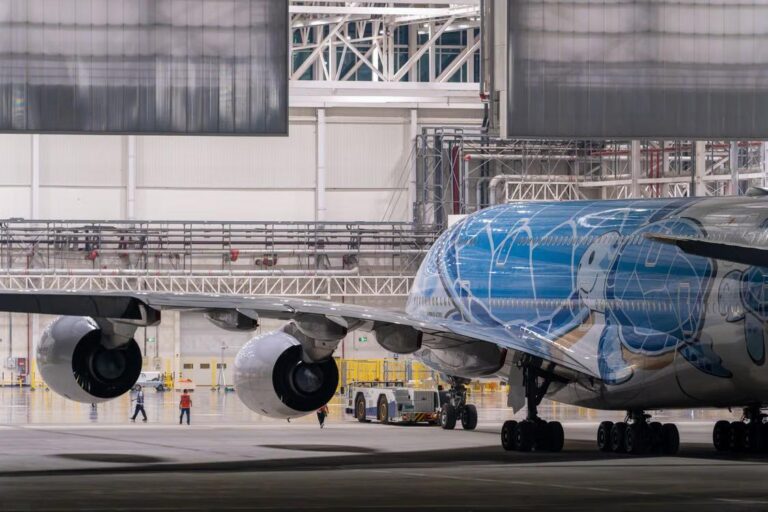
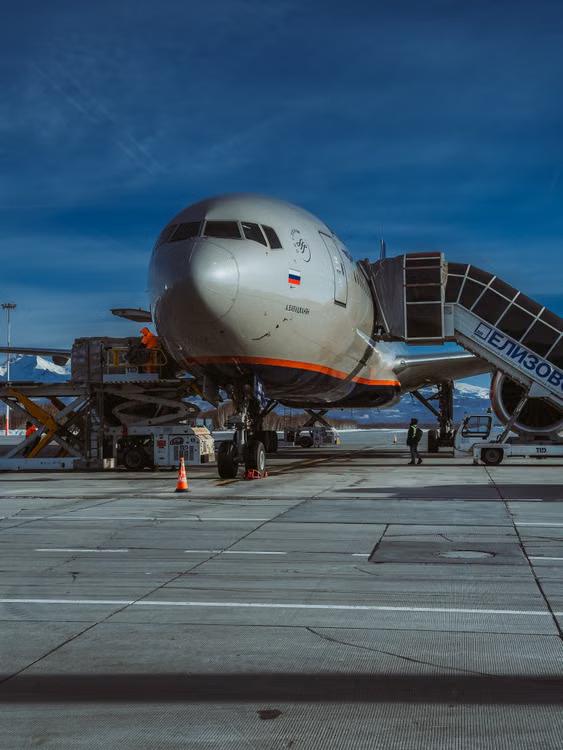
Another benefit is the flexibility it gives your career. If you have only worked on narrow-body planes but want to move into the widebody sector, these courses are your ticket. You can study the Boeing 747 or the Airbus A330 to understand how these larger machines operate. This opens up jobs in the cargo industry and with major international airlines that operate long-haul flights. The more aircraft you are familiar with, the more valuable you become to any aviation company.
Certification is also a major factor. Most of these courses provide a serial-numbered certificate once you pass the final test. This certificate is a professional asset that you can add to your resume. It proves that you have met specific standards, such as those set by EASA Part-66. In a world where safety and compliance are everything, having a recognized certificate is a way to stand out from other candidates who might only have general experience.
Career Pathways and Growth Opportunities
If you are an aircraft mechanic, your career path often depends on the number of certifications you hold. Starting with general familiarization allows you to build a foundation before moving on to advanced systems training. You can start as a junior technician and work your way up to a lead mechanic. This is particularly relevant as the data shows that 33% of the current mechanic workforce is over age 60, meaning senior roles are opening up at an unprecedented rate.
Pilots also find these courses useful for career growth. While pilots primarily focus on flying, knowing the mechanical systems of the plane they operate makes them better captains. It allows them to make informed decisions during emergencies and communicate better with ground engineers. This technical depth is often what separates a good pilot from a great one. It also helps if you are looking to transition into roles like flight safety officer or technical consultant.
Engineers and enthusiasts also have a place in this learning path. For engineers, these courses provide practical insights that they might not have received in a purely academic setting. They get to see how theoretical designs are implemented in real-world aircraft. For enthusiasts, it is a way to turn a hobby into a potential career. By learning the basics of aircraft systems, you can prepare yourself for entry-level positions in the aviation support industry.
Evaluating Certification and Regulatory Value
When you choose a course, you must ensure it meets the right standards. Regulatory compliance is not something you can ignore in aviation. Courses that align with EASA or FAA guidelines are generally more respected. These organizations set the rules for how aircraft must be maintained and how staff must be trained. A course that follows these rules ensures that the information you are learning is accurate and legally recognized by employers.
The value of the certificate also depends on the reputation of the training provider. You should look for companies that have a history of providing high-quality material. Check if their courses are used by other professionals in the industry. A certificate from a well-known provider carries more weight during the hiring process. It tells the employer that you have been trained by experts who understand the current demands of the aviation market.
Finally, consider how the certification helps with specific job requirements. Some airlines and maintenance organizations require their staff to have a certain level of familiarization before they can even touch an aircraft. By getting your certificate beforehand, you prove that you are proactive. You are showing that you have already taken the steps to meet their requirements, which makes the hiring process much faster and easier for everyone involved.
How to Choose the Right Online Course
Selecting the right course requires you to look at your current needs and future goals. If you are working in a specific region, look at what aircraft are most common there. For example, if you are near a major cargo hub, a course on the Boeing 777 or 747 might be the best choice. If you are aiming for regional airlines, focus on the Airbus A320 or the Boeing 737. Matching your training to the local market is a smart way to find work quickly.
You should also look at the course content itself. Does it cover the specific systems you are interested in? A good course should include detailed sections on hydraulics, electrical systems, powerplants, and avionics. It should also provide clear pictures and diagrams to help you visualize the components. If a course is just a wall of text, it will be much harder to learn and remember the material. Always check the syllabus before you pay for any program.
Affordability and accessibility are the final factors. You don’t always need to pay thousands of dollars for a good familiarization course. Many online platforms offer high-quality training at a fraction of the cost of traditional schools. Ensure the platform is easy to use and that you can access the materials on your phone or computer. Having the ability to study whenever you have a few minutes of free time makes it much more likely that you will actually finish the course.
Technical Insights: Boeing vs. Airbus Training
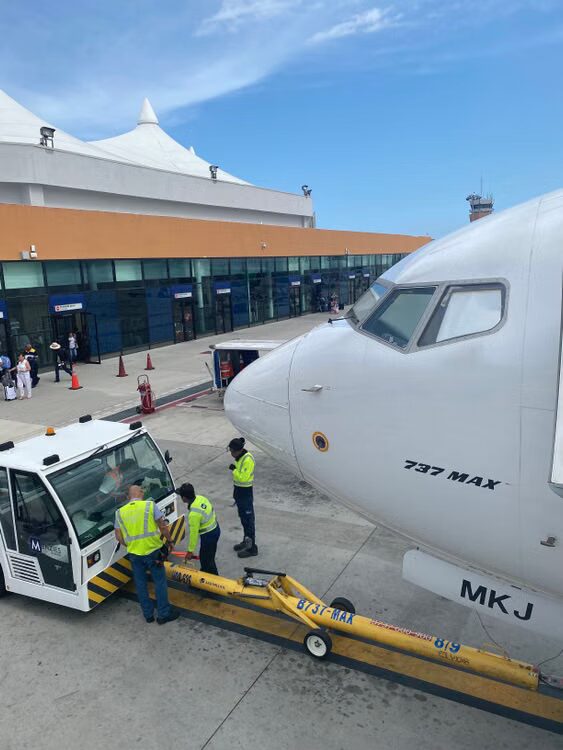
There are distinct differences between training for Boeing and Airbus aircraft. Boeing planes often have a more traditional mechanical feel, even with modern updates. Their systems are designed with a specific logic that many mechanics find straightforward. A Boeing course will likely focus on the physical cables and pulleys used in older models, while also covering the electronic interfaces in newer versions like the 787 or the 737 MAX.
Airbus training is often focused on the fly-by-wire technology that the company pioneered. Their aircraft rely heavily on computers to translate pilot inputs into flight movements. This means an Airbus course will have a strong emphasis on avionics and electronic control systems. Understanding the “logic” of an Airbus plane is key to maintaining it properly. Both types of training are valuable, but they require a slightly different mindset to master.
Many professionals choose to learn both. Being “bilingual” in Boeing and Airbus systems makes you an incredibly versatile employee. You can work for almost any airline in the world if you understand the two major manufacturers. This versatility is a great way to protect your career against market changes. If one airline is struggling but another is growing, your diverse skills will allow you to move to where the jobs are without missing a beat.
The Future of Aviation Training
The way we learn about airplanes is changing fast. Digital platforms are becoming the standard for general familiarization. This is because they can be updated quickly as new technology emerges. When a new engine or a new wing design is released, an online course can reflect those changes almost immediately. This ensures that you are always learning the most current information available, which is vital for safety.
We are also seeing more focus on inclusive training. Courses are being designed to be more accessible for everyone, including those with different learning styles or disabilities. Use of more visual aids and simplified testing methods helps more people enter the aviation field. This is important because the industry is facing a shortage of skilled workers. Making training more obtainable helps fill those gaps and ensures the industry keeps moving forward.
In the coming years, expect to see more integration of virtual reality and interactive simulations in these courses. While you are currently looking at pictures and reading text, you might soon be able to walk through a virtual hangar. This will make the learning process even more effective. However, the core of the training will always be the same: a solid understanding of the systems and science that make flight possible.
Frequently Asked Questions
- What is an aircraft general familiarization course?
It is a professional training program that provides a high-level overview of an airplane’s systems, structures, and operations. It is designed to help technical staff and pilots understand a specific model without requiring a full type rating.
- Who should take these courses?
Mechanics, engineers, pilots, and aviation enthusiasts can all benefit. They are particularly useful for those looking to switch aircraft types or advance to senior maintenance and management roles.
- How long do these courses typically take?
Most general familiarization courses are designed to be completed in about 40 hours. Since many are online and self-paced, you can finish them faster or take more time depending on your schedule.
- Are online aviation certificates recognized by employers?
Yes, as long as the course provider is reputable and the content meets industry standards like EASA Part-66. Many major airlines and maintenance shops accept these certificates as proof of knowledge.
- Is there a test at the end?
Yes, most courses require you to pass a final exam, often consisting of around 30 multiple-choice questions, to receive your certificate and verify that you have learned the material.
Take the Next Step in Your Career
Building a successful career in aviation requires a proactive approach to learning. By expanding your technical knowledge, you position yourself as a leader in the hangar or the cockpit. Whether you are looking for an A320 gen fam course online or a Boeing 737 familiarization course, the effort you put into training today will pay off in the years to come. These widebody aircraft familiarization course options are designed to help you succeed in a fast-paced environment.
We provide the tools you need to reach your goals with ease and confidence. If you are ready to grow your skills and earn a professional certification, visit Gen Fams to see our full list of courses. Our platform is built for professionals who want quality training that fits their busy lives. Start your learning today and see the difference it makes in your professional standing.
Contact us to find out more.