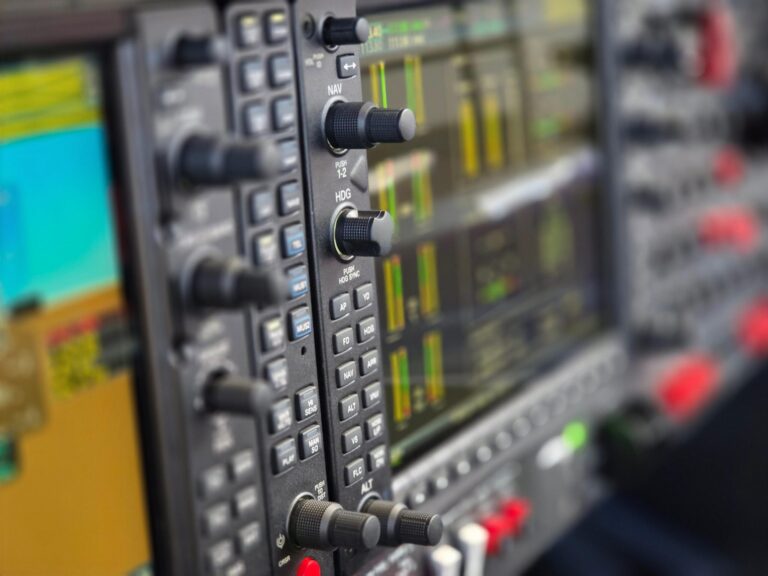
The aviation industry is entering one of its most transformative periods in decades. Commercial fleets continue to expand, cargo operations remain strong, and airlines are investing in newer technologies while keeping many legacy aircraft in active service. At the same time, employers are facing an ongoing shortage of skilled professionals who understand the fundamentals of today’s aircraft systems. This growing knowledge gap affects aircraft mechanics, pilots, engineers, and even aviation enthusiasts looking to build meaningful careers.
One of the most effective ways to bridge this gap is through structured aircraft general familiarization training. Unlike type rating or specialized maintenance certification, familiarization training provides a broad understanding of how commercial aircraft systems work together. It establishes the technical language, system knowledge, and operational awareness that learners need before progressing into advanced training or workplace environments.
For aspiring professionals, this knowledge builds confidence before entering interviews, maintenance facilities, or flight operations. For experienced personnel, it provides an opportunity to strengthen existing knowledge and prepare for opportunities involving different aircraft families. As aviation continues evolving in 2026 and beyond, foundational knowledge has become an investment that pays dividends throughout an entire career.
Why Is There a Growing Aircraft Knowledge Gap?
The aviation sector is experiencing growth across multiple fronts. Passenger travel continues to recover in many markets while global cargo networks remain essential to international commerce. Airlines are expanding fleets, leasing additional aircraft, and extending the operational lives of proven airframes.
This growth creates demand for knowledgeable personnel across numerous disciplines. Maintenance organizations require technicians who understand aircraft systems. Airlines seek pilots who appreciate the technical foundations of the aircraft they operate. Engineering teams need employees capable of understanding system interactions before tackling complex modifications or troubleshooting tasks.
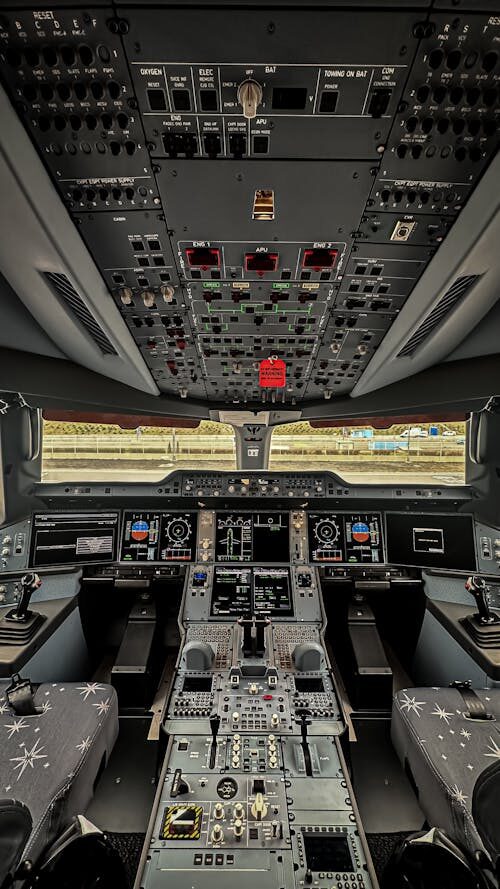
Meanwhile, commercial aircraft themselves have become increasingly sophisticated. Digital flight decks, advanced avionics, electronic monitoring systems, modern propulsion technologies, and integrated electrical architectures all contribute to aircraft that are safer and more capable than ever before. However, they also require a stronger educational foundation.
Many professionals discover that classroom education alone cannot fully prepare them for real aircraft environments. Technical manuals, maintenance documentation, and operational terminology become significantly easier to understand when learners already possess broad familiarity with aircraft systems. That is why structured familiarization education has become increasingly valuable. Rather than replacing advanced certification, it creates the foundation upon which specialized skills can be developed.
What Is an Aircraft General Familiarization Course?
An aircraft general familiarization course provides a comprehensive introduction to the design, operation, and major systems found on commercial aircraft. It focuses on understanding how individual aircraft systems function together rather than teaching maintenance procedures or operational certification. Students typically explore topics including:
- Aircraft structures
- Flight controls
- Hydraulic systems
- Pneumatic systems
- Electrical systems
- Fuel systems
- Environmental control systems
- Landing gear
- Powerplants
- Avionics
- Aircraft safety systems
- Major ATA chapters used throughout aviation maintenance documentation
This type of learning helps students understand both theoretical concepts and practical system relationships. Instead of memorizing isolated facts, learners begin recognizing how each aircraft system contributes to overall aircraft performance and safety.
For many aviation professionals, this broad understanding significantly improves future learning because advanced concepts become easier to place into context.

Who Benefits Most from Familiarization Training?
One of the greatest strengths of familiarization education is its accessibility. Learners do not need years of industry experience before beginning their studies. Aircraft mechanics benefit by developing stronger technical vocabulary and improving their understanding of interconnected systems before entering specialized maintenance environments.
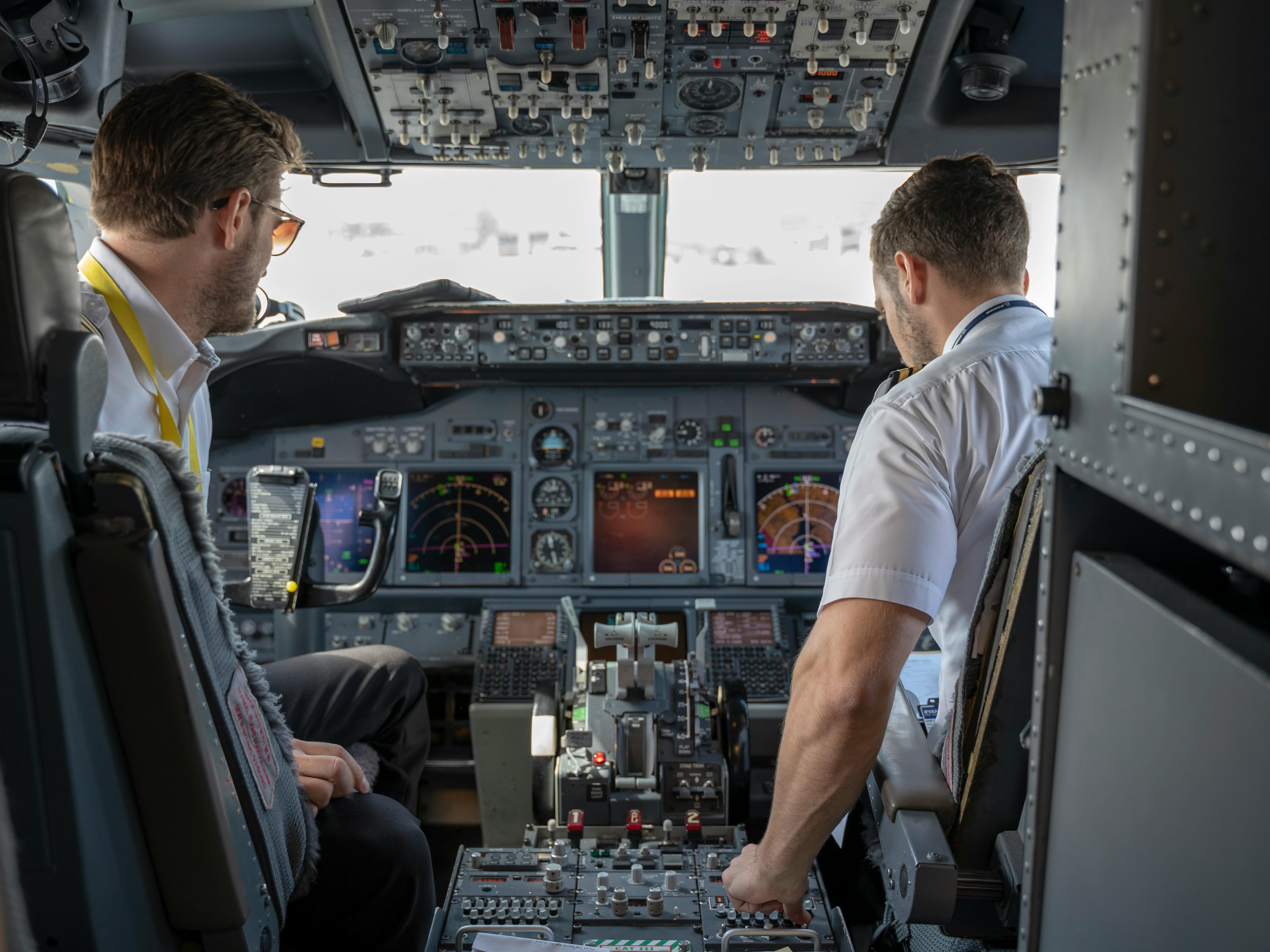
Pilots gain a deeper appreciation for aircraft systems beyond normal operational procedures. Understanding what occurs behind cockpit indications improves situational awareness and supports better decision-making throughout a professional flying career. Engineers benefit by strengthening their understanding of practical aircraft architecture before working with design modifications, component analysis, or maintenance engineering projects.
Aviation enthusiasts also find tremendous value in structured learning. Rather than relying on fragmented information from books or videos, they can build organized knowledge that explains how commercial aircraft actually function. Because quality familiarization courses are designed with multiple experience levels in mind, they provide value whether someone is exploring aviation for the first time or preparing for the next stage of a professional career.
Modern Aircraft Demand Broader Technical Understanding
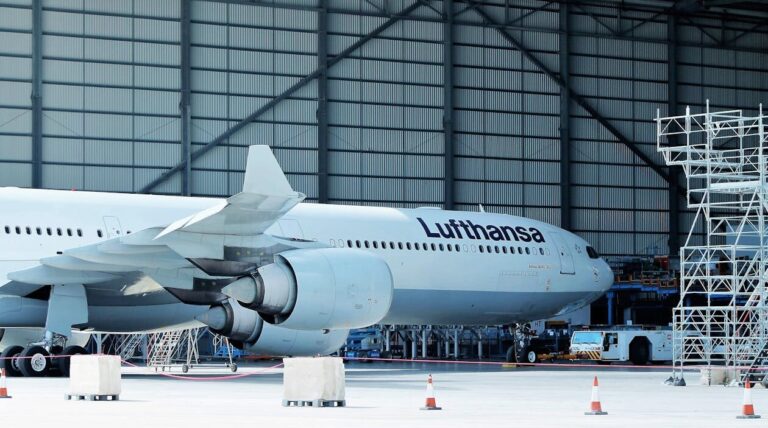
Today’s commercial fleets include both legacy aircraft that remain highly productive and newer aircraft incorporating advanced technologies. Aviation professionals increasingly encounter mixed fleets throughout their careers. A maintenance technician may work on classic aircraft before transitioning to newer generations. Pilots may operate several aircraft families during their careers. Engineers often support multiple fleet types within a single organization. Having a broad understanding of aircraft concepts makes these transitions considerably smoother.
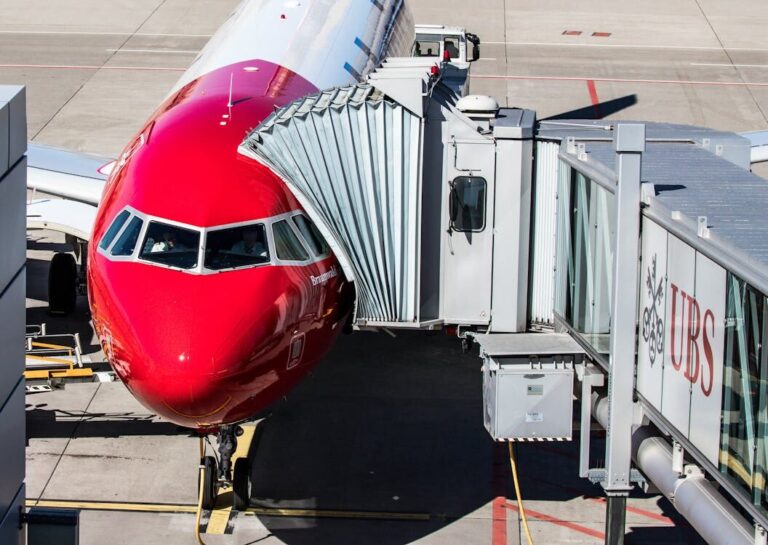
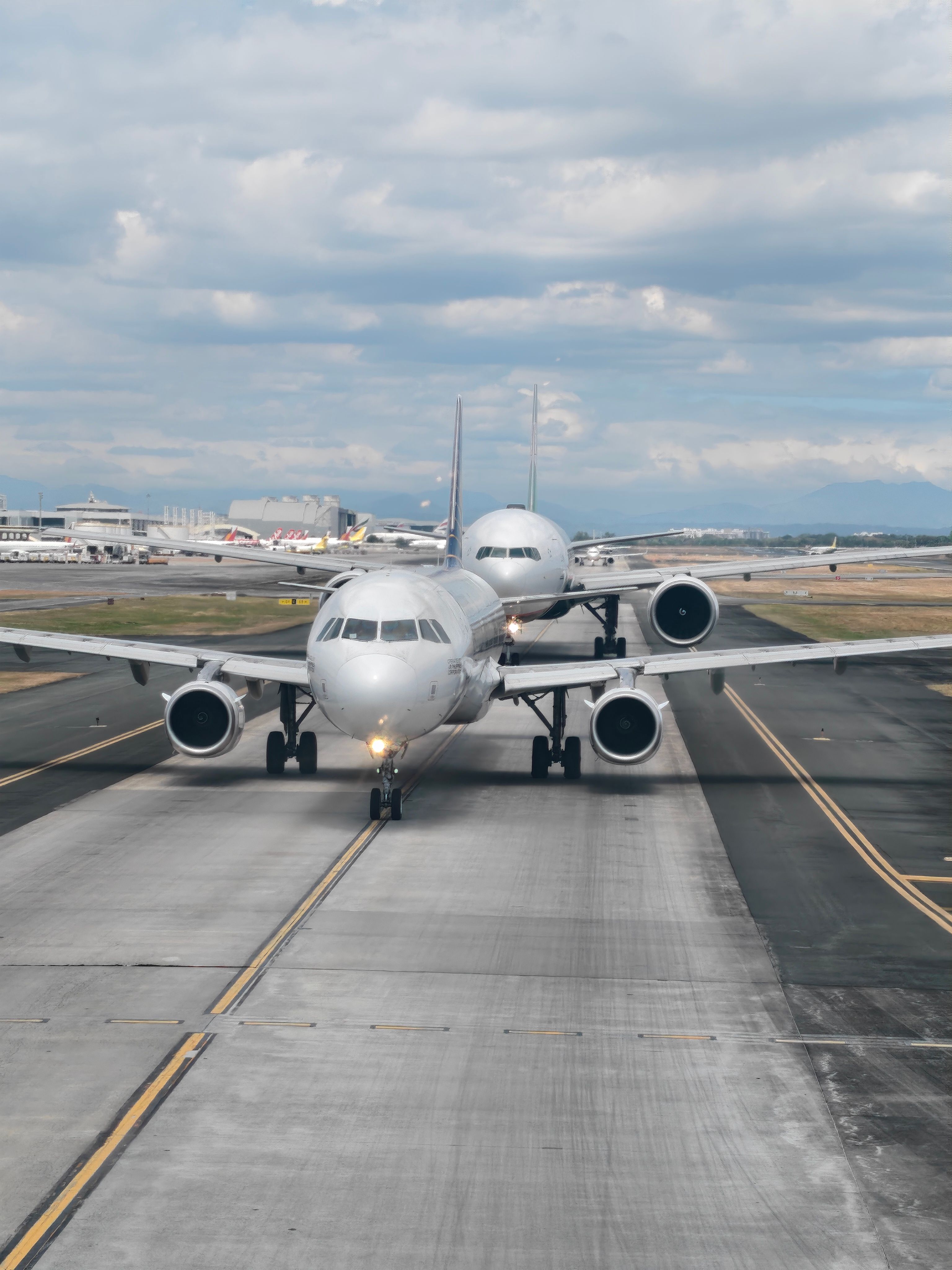
For example, studying aircraft families such as the B737 introduces learners to system philosophies that remain relevant across many commercial aircraft. Likewise, understanding Airbus design principles helps learners appreciate modern fly-by-wire technologies and integrated aircraft systems. Rather than viewing each aircraft as completely different, familiarization training teaches students to recognize common engineering principles while understanding important design differences. This perspective allows professionals to adapt more quickly as career opportunities evolve.
The Gen Fams Learning Philosophy
Effective aviation education should build confidence rather than overwhelm learners with unnecessary complexity. Gen Fams approaches familiarization training by combining practical aeronautical knowledge with structured instruction that progresses from beginner concepts toward more advanced understanding.
Courses are designed to accommodate learners from different backgrounds while remaining relevant for professionals seeking career advancement. Instead of focusing exclusively on theoretical discussions, the curriculum emphasizes practical system knowledge supported by real aviation science and industry terminology.
Learners study major aircraft systems using visual learning materials, organized course structures, and assessments that reinforce knowledge retention. This approach helps students understand not only what each system does but also why it matters within the broader aircraft architecture. The result is education that remains valuable long after course completion, serving as an ongoing reference for professionals who continue developing throughout their aviation careers.

The Three Pillars of Aircraft Readiness Framework
One of the biggest misconceptions in aviation education is that technical expertise begins with specialized certification. In reality, long-term success is built on three foundational pillars that prepare learners for every stage of their aviation journey.
First, foundational system awareness creates confidence. Professionals who understand how major aircraft systems interact can communicate more effectively, interpret technical documentation with greater accuracy, and adapt more quickly to unfamiliar aircraft environments. Confidence begins with understanding, not memorization.
Second, structured familiarization accelerates future learning. Whether pursuing maintenance qualifications, engineering responsibilities, or flight training, learners who already possess organized aircraft knowledge spend less time struggling with terminology and more time mastering advanced concepts. A strong foundation reduces the learning curve throughout an aviation career.
Third, continuous knowledge development improves career mobility. Aviation professionals rarely remain with one aircraft platform forever. Fleet changes, cargo expansion, international opportunities, and technological advances continually create new career paths. Those who invest in broad aircraft knowledge are better positioned to pursue these opportunities because they already understand the language and system philosophies that employers value.
Together, these three pillars transform familiarization training from a simple educational resource into a long-term career investment. As aviation technology continues advancing, professionals who continually strengthen their foundational knowledge will remain adaptable, competitive, and prepared for future opportunities.
Commercial Aviation Continues to Create New Opportunities
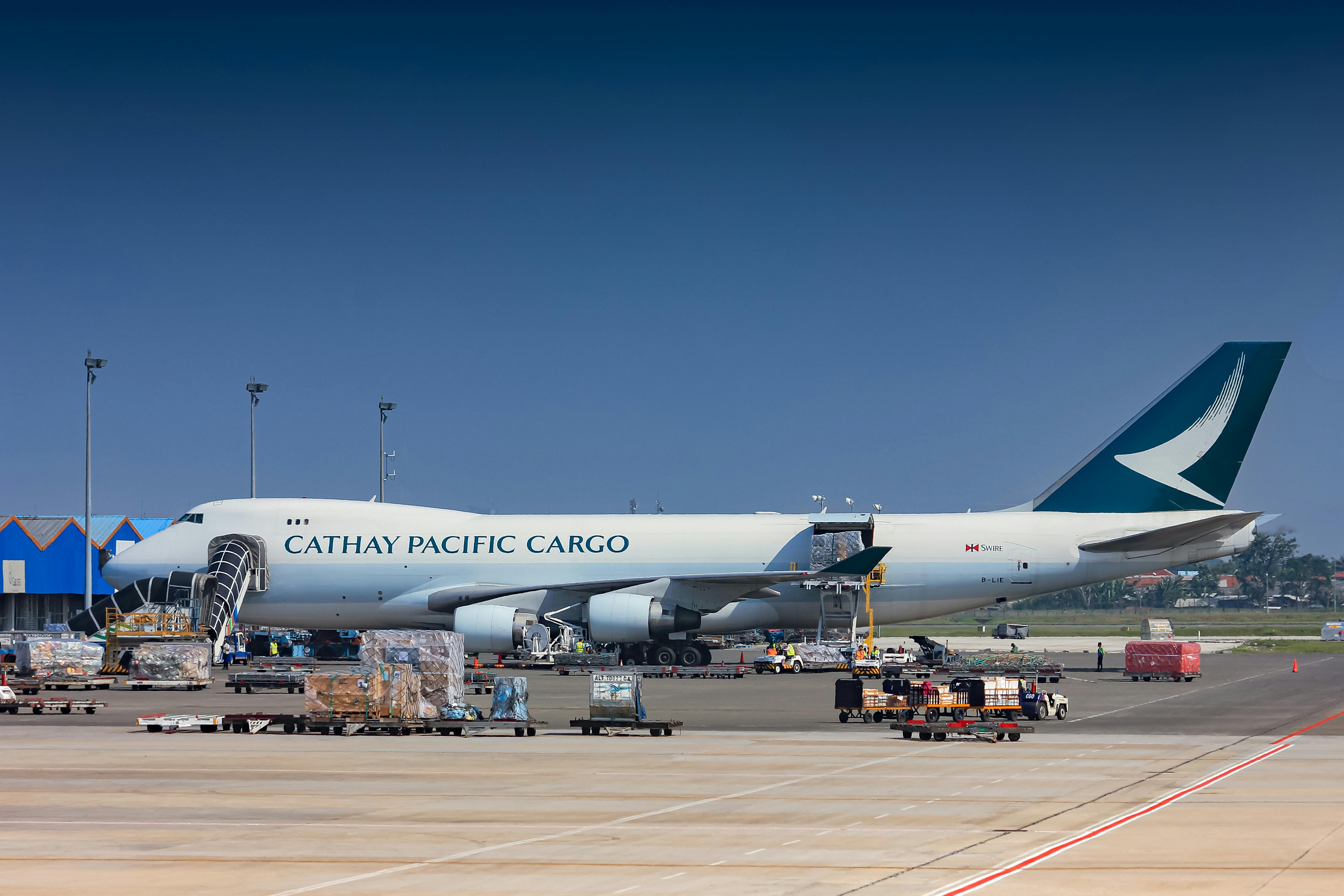
The aviation industry has always evolved alongside technological innovation, changing travel demand, and global commerce. In 2026, those trends continue to reshape the workforce. Passenger airlines are expanding operations, cargo carriers are investing in larger fleets, and maintenance organizations are supporting aircraft that range from legacy workhorses to the latest generation of commercial jets. This means today’s aviation professionals are expected to adapt quickly. Employers increasingly value candidates who already understand aircraft terminology, major systems, and the relationships between mechanical, electrical, hydraulic, and avionics components. Familiarity allows new hires to integrate more efficiently into training programs and workplace environments.
For individuals entering aviation, foundational knowledge can also improve confidence during interviews. Being able to discuss aircraft systems using appropriate industry language demonstrates commitment to professional development and genuine interest in the field. Professionals already working within aviation can also benefit by expanding their knowledge across different aircraft families. Learning about both narrow-body and widebody aircraft familiarization helps prepare individuals for future career opportunities as organizations introduce new fleet types or expand international operations.
Learning That Supports Long-Term Career Development
Career progression in aviation rarely follows a perfectly straight path. Many mechanics move into inspection or management positions. Pilots often transition between aircraft families throughout their careers. Engineers regularly support multiple aircraft platforms as fleets evolve. Because of this, investing in broad aviation knowledge offers lasting value.
Gen Fams develops courses that help learners understand the systems and operational concepts found across many commercial aircraft. Their curriculum combines practical aeronautical knowledge with organized instruction that remains relevant long after course completion. Courses are designed to be flexible, allowing students to learn at their own pace while building confidence through structured lessons, visual learning materials, and assessments. They are also developed with accessibility in mind, helping learners from diverse educational and professional backgrounds progress through the material comfortably.
Rather than focusing solely on academic theory, Gen Fams emphasizes practical understanding that learners can carry into interviews, workplace discussions, future technical training, and ongoing professional development.
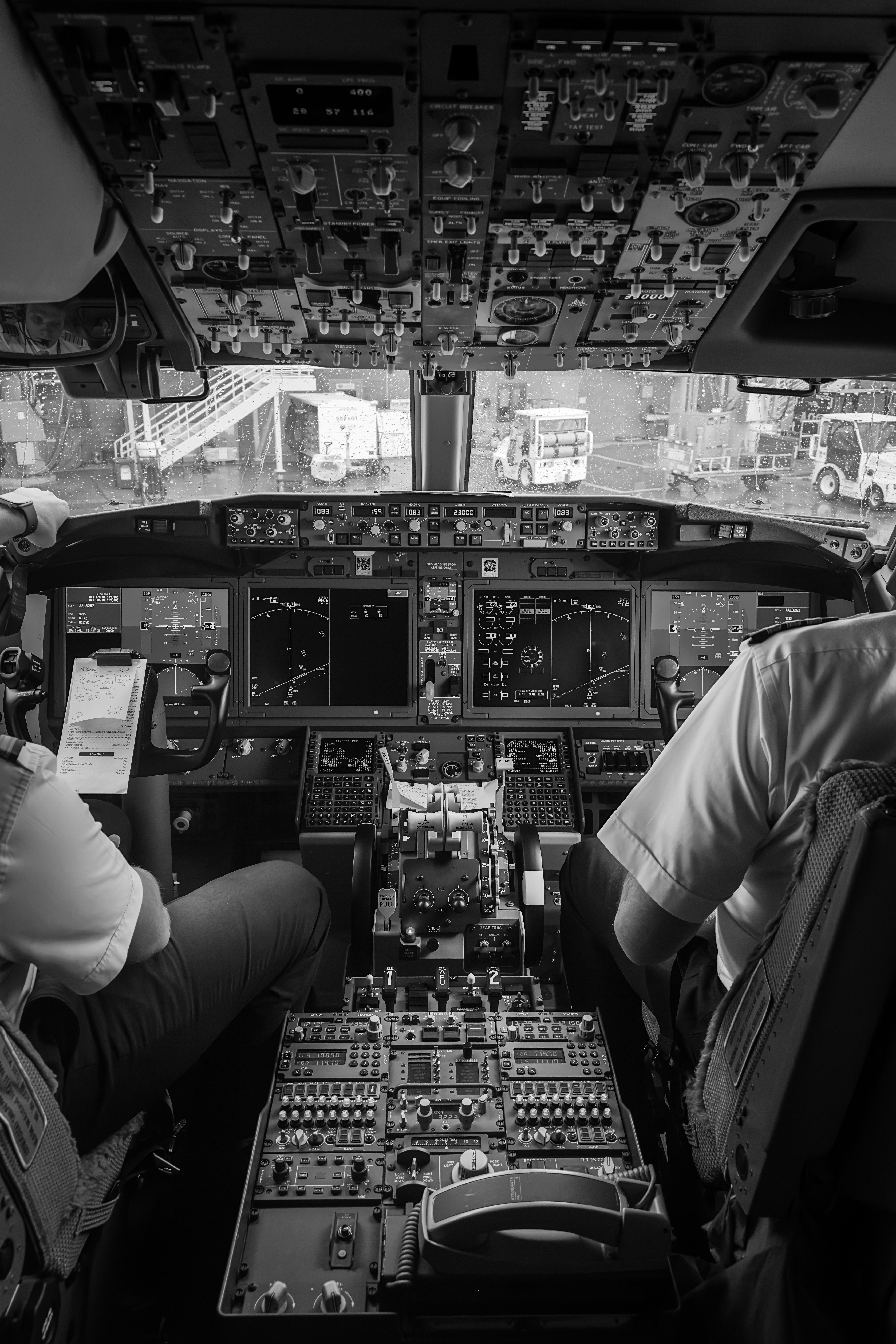
Why Online Learning Is Becoming the Preferred Choice
Modern aviation professionals often balance demanding work schedules, family commitments, and continuing education. Flexible learning has therefore become an important advantage. An online course allows students to study wherever they are without sacrificing educational quality. Learners can revisit complex topics, progress at their own pace, and reinforce their understanding before moving to more advanced concepts. This flexibility benefits:
- Aircraft maintenance professionals working rotating shifts
- Pilots managing changing flight schedules
- Engineering students balancing academic workloads
- Aviation enthusiasts learning independently
- Career changers preparing for aviation opportunities
Online education also allows learners to build consistent study habits instead of trying to absorb large amounts of information within limited classroom sessions. For many aspiring professionals, this gradual learning approach improves knowledge retention while making technical subjects feel significantly more approachable.
Preparing for the Future of Commercial Aviation
Commercial aviation will continue evolving throughout the coming decades. New aircraft will enter service while proven platforms remain operational around the world. Airlines will modernize fleets, cargo operators will expand networks, and maintenance organizations will continue supporting increasingly sophisticated aircraft systems.
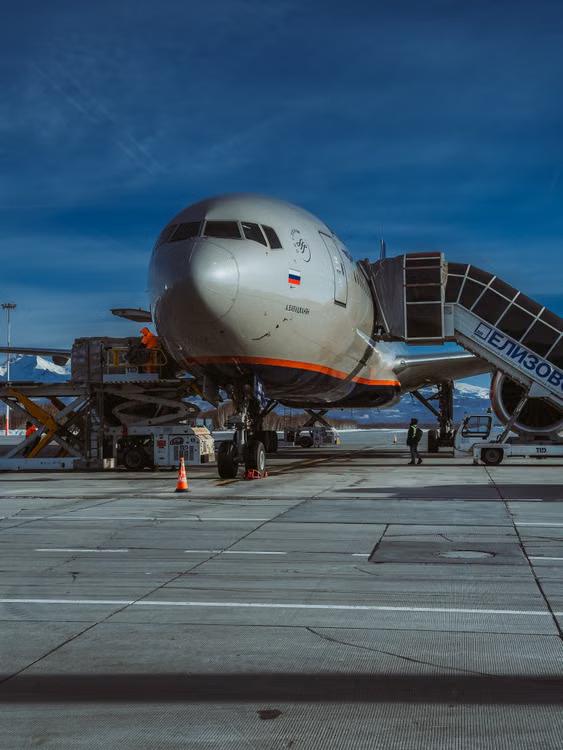
Aircraft such as the B777 continue serving as critical assets in passenger and cargo operations, while future aircraft families will introduce even more advanced technologies.
Success within this environment depends on continuous learning.
Professionals who regularly invest in their technical knowledge position themselves to adapt more confidently to changing aircraft, evolving maintenance practices, and emerging career opportunities. Foundational education remains one of the few investments that continues paying dividends throughout an entire aviation career.

Continue Your Aviation Learning Journey
Whether you’re preparing for your first aviation opportunity or expanding decades of industry experience, building strong aircraft knowledge is one of the smartest investments you can make. Gen Fams provides structured, flexible familiarization courses designed to help mechanics, pilots, engineers, and aviation enthusiasts build lasting confidence across today’s commercial aircraft. Explore the full range of training on the Courses page, learn more about the company’s educational philosophy on the About Us page, or reach out through the Contact Us page to find the right course for your aviation goals.
Frequently Asked Questions
What is an aircraft general familiarization course?
An aircraft general familiarization course introduces learners to the major systems, structures, and operational concepts of commercial aircraft. It builds foundational knowledge that supports future maintenance, engineering, pilot, or aviation career development.
These courses focus on understanding aircraft systems rather than providing maintenance certification or aircraft type ratings.
Who should take a general familiarization course?
Aircraft mechanics, pilots, engineers, aviation students, career changers, and aviation enthusiasts all benefit from structured familiarization training.
The knowledge gained helps learners understand aircraft terminology, systems, and technical concepts before progressing into more specialized environments.
Are online aircraft familiarization courses effective?
Yes. High-quality online aviation courses provide structured learning, visual resources, and assessments that allow students to build knowledge at their own pace.
Flexible learning also enables professionals to balance education alongside work and personal commitments.
Why is aircraft familiarization important before specialized training?
Building strong foundational knowledge makes advanced aviation education easier to understand.
Students who already recognize aircraft systems, terminology, and system interactions often progress more confidently through future maintenance, engineering, or flight training.
Which aircraft families are commonly covered?
Many familiarization providers offer courses covering popular commercial aircraft, including aircraft from Boeing and Airbus families that remain widely operated throughout passenger and cargo aviation.