
Aviation has always been global. From the factories in Seattle to the maintenance hangars in Frankfurt, the industry depends on a steady supply of parts, skilled labor, and standard procedures. But in recent years, geopolitical risks have shaken this once-stable network. Trade wars, sanctions, and shifting alliances are slowing down the movement of aircraft parts. For mechanics and engineers, this makes one thing clearer than ever: standardized training, like an aircraft type certification course, is not just a career boost, it’s essential for global safety and compliance.
How Geopolitics Impacts Aviation Supply Chains
When countries raise tariffs or restrict exports, it creates immediate pressure on aviation supply chains. For example, something as simple as an avionics component can be delayed for weeks due to trade restrictions. Mechanics waiting on critical parts may have to adapt quickly, often substituting or working with alternate suppliers.
This is where comprehensive training comes into play. Mechanics who have completed an aircraft general familiarization course are better prepared to understand system alternatives and adapt their work when supply chain hiccups occur. They don’t just follow a checklist, they know why systems function as they do, giving them the flexibility to troubleshoot in challenging conditions.
Why Type Training Matters More Than Ever
Airlines can’t afford downtime. Each grounded aircraft means lost revenue. To minimize disruptions, mechanics worldwide must be trained to the same standard. A recognized aircraft systems course ensures that whether you’re in Denver, Dubai, or Singapore, you’re speaking the same technical language.
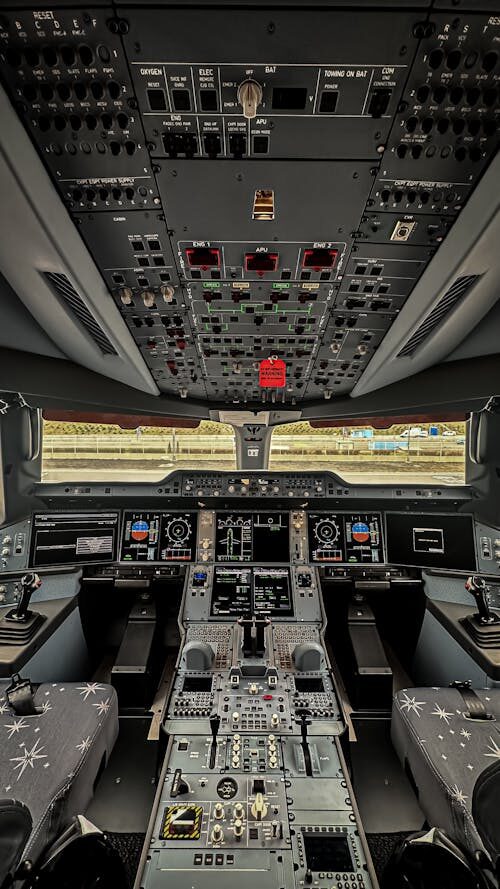
For instance, the A320 general familiarization course doesn’t just introduce the aircraft; it builds a mechanic’s ability to cross-reference systems and troubleshoot under pressure. When supply chain shortages hit, mechanics trained in type courses can safely adjust to available resources while maintaining strict compliance with FAA and EASA standards.
Career Growth Through Standardized Training
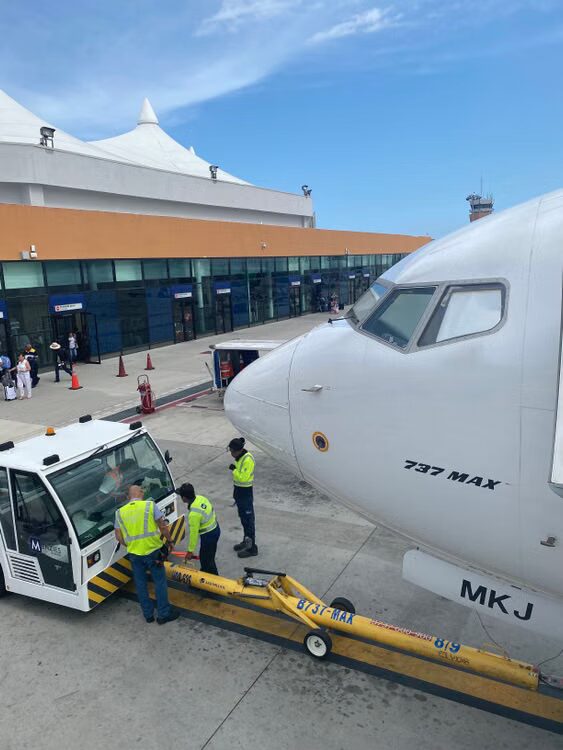
The aviation labor market is competitive, and airlines are always seeking mechanics with proven skills. Completing an aviation professional course such as the B737 general familiarization course signals to employers that you’re ready for global challenges. It’s not just about turning wrenches, it’s about being trusted in environments where compliance, safety, and adaptability matter.
Even enthusiasts and engineers who aren’t yet licensed mechanics benefit from structured training. Courses like aviation certifications build foundational knowledge that opens doors to apprenticeships and hands-on opportunities.

From Compliance to Confidence
What sets type courses apart is their ability to standardize knowledge across borders. A mechanic completing an airbus aircraft familiarization program in the U.S. will have the same system-level understanding as someone trained in Europe. This creates consistency that supply chain challenges can’t shake.
Additionally, programs like the online aviation training courses offered by Gen Fams are designed with flexibility in mind. Students can learn at their own pace, ensuring they don’t just memorize, they truly understand. That confidence carries over into job interviews, hangar floors, and real-world troubleshooting scenarios.
The Future of Aviation Training
Supply chains may continue to face turbulence. Political changes, global conflicts, or even environmental regulations could affect the movement of aircraft parts for years to come. But one thing remains constant: mechanics with type certification will always be in demand.
By investing in a structured program like an aircraft type certification course, aviation professionals future-proof their careers. They gain the knowledge to adapt to shifting conditions, the compliance credentials employers trust, and the confidence to keep aircraft flying safely worldwide.
Take Flight with Gen Fams
At Gen Fams, we know the aviation world is changing fast. That’s why our aircraft general familiarization courses are built to industry standards, blending practical insights with system-level knowledge. Whether you’re exploring an aircraft systems training program for the first time or pursuing an advanced A&P course, we’ve got options designed for your growth.
Ready to build a career that adapts to global challenges? Start your journey today with Gen Fams aviation training.